Congressional Cemetery is more than a historic site and active burial ground; it is also an urban oasis in the middle of Washington, D.C. In a world that is becoming increasingly developed, green spaces within cities have become more important than ever, offering a respite from the stress of hectic daily life through clean air, recreation, cool outdoor spaces, and a connection to nature. As part of HCC’s mission, cemetery staff prioritizes the environmental stewardship of this site through programming, sustainable grounds-keeping practices, and green burial options, recognizing the importance of nurturing life as much as honoring death.
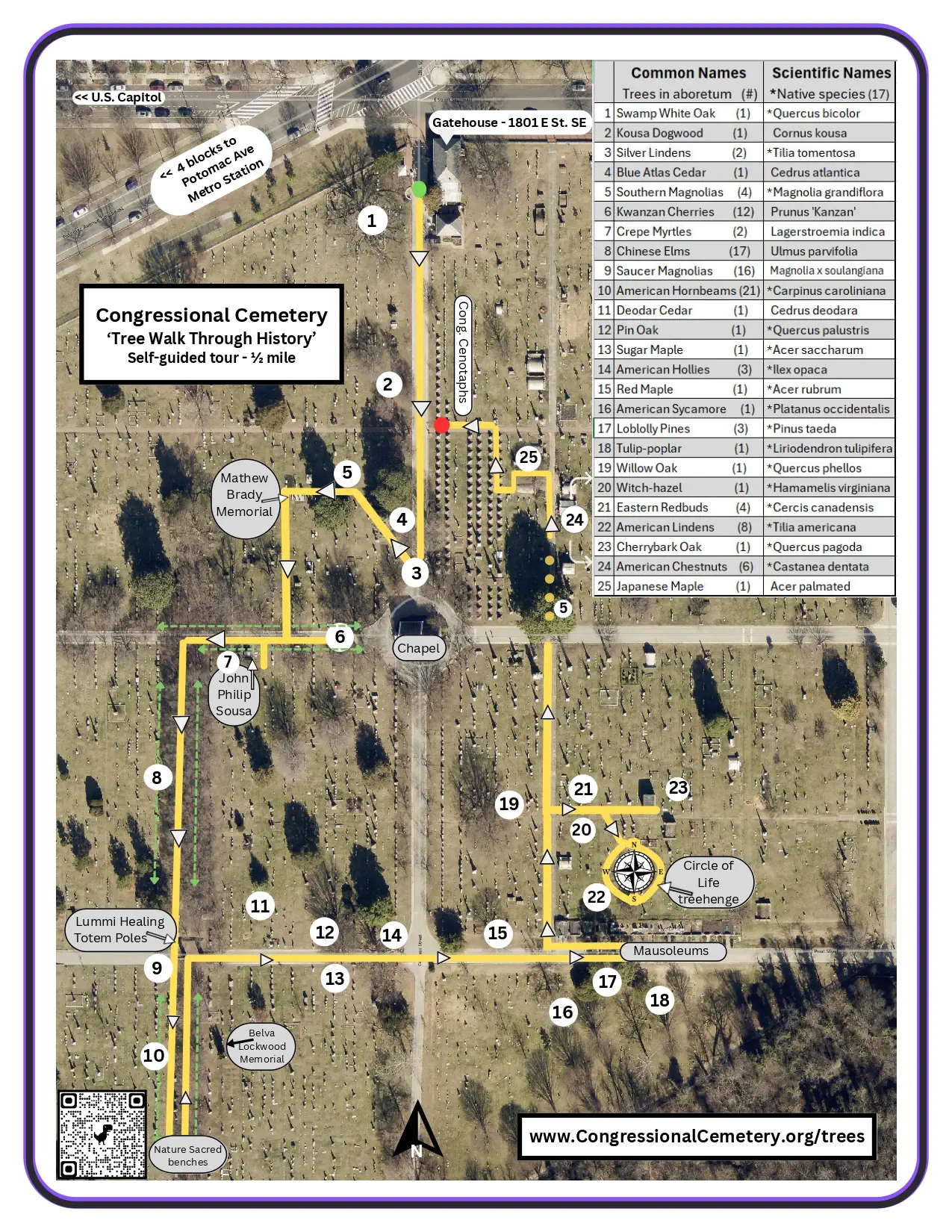
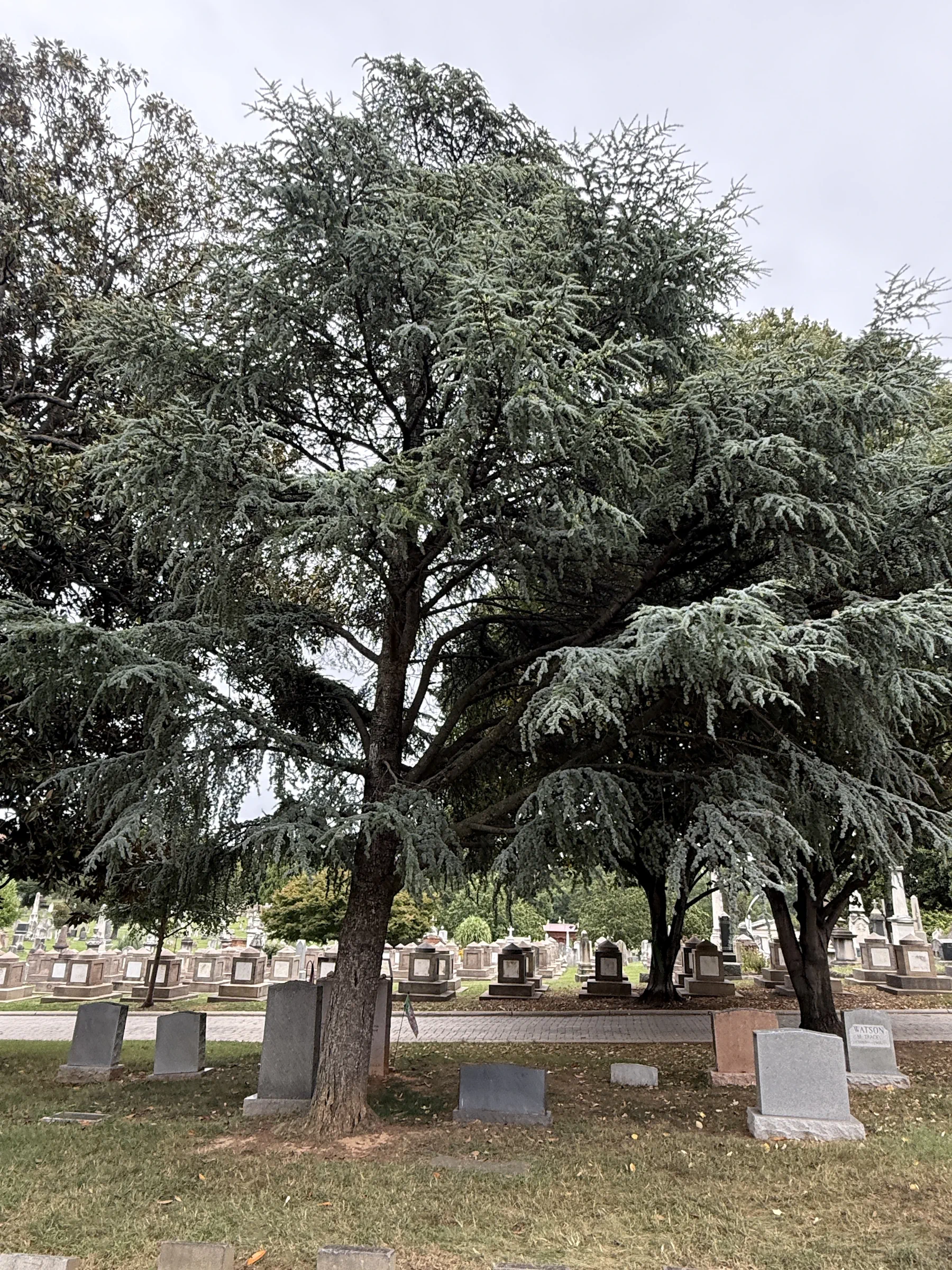
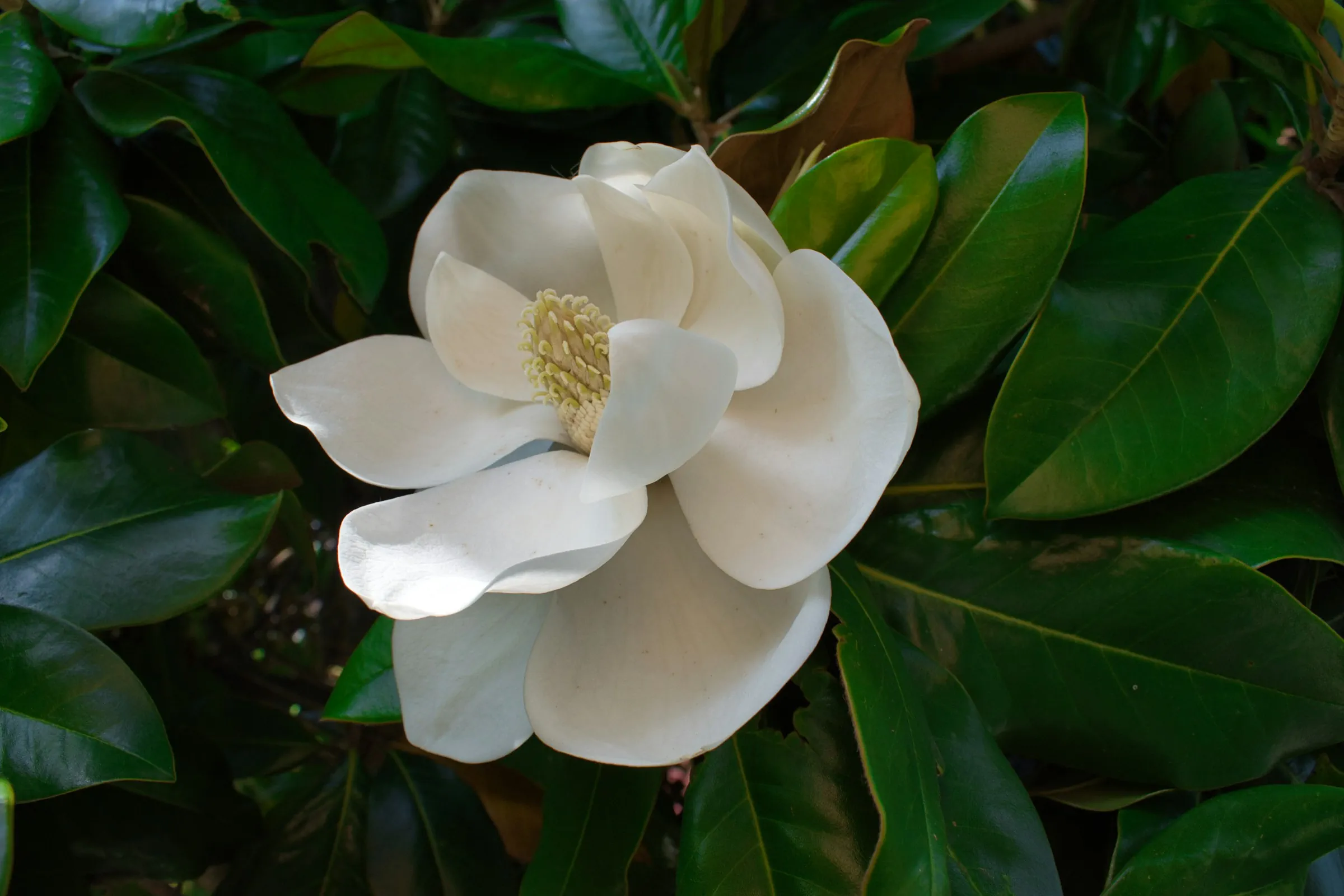
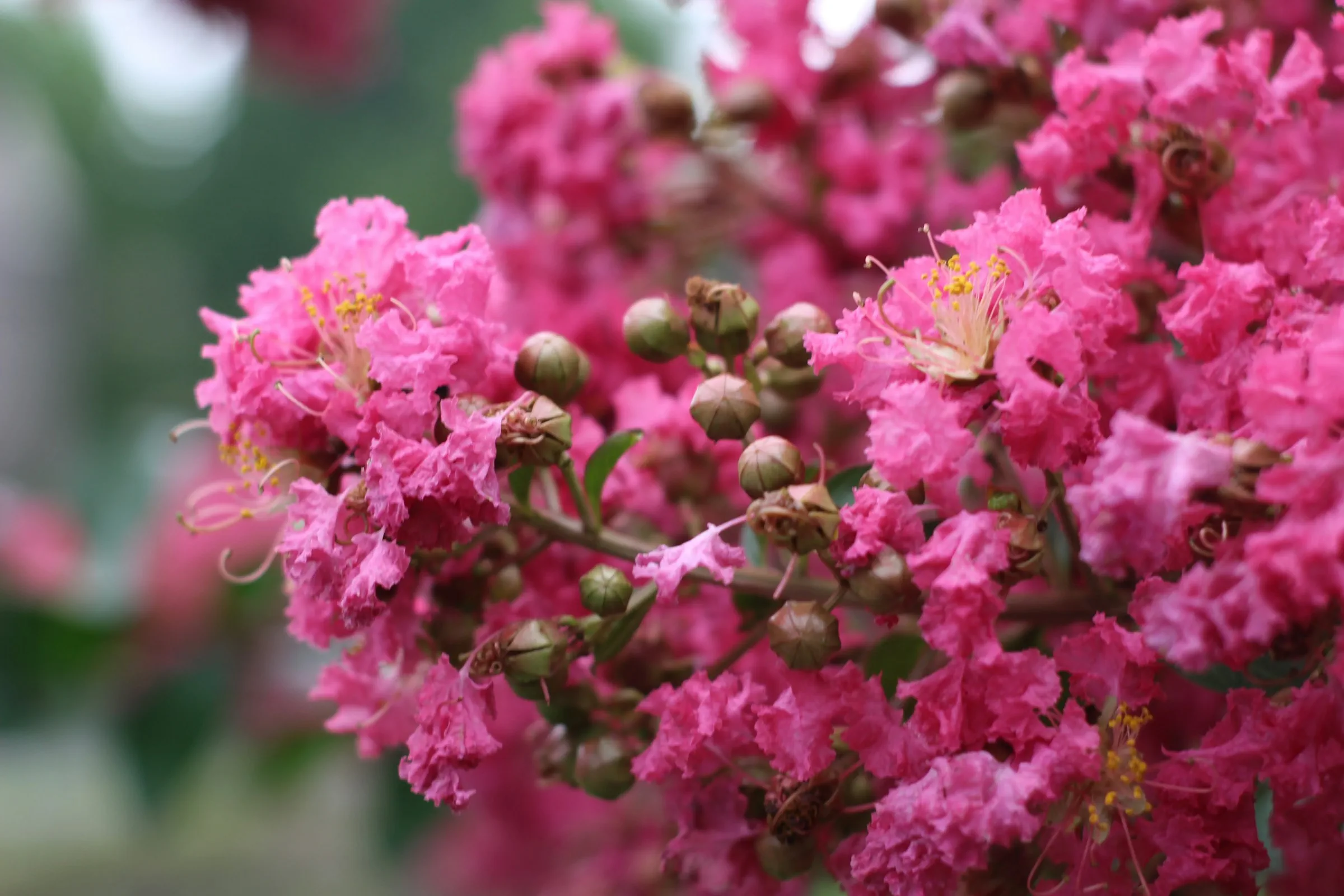
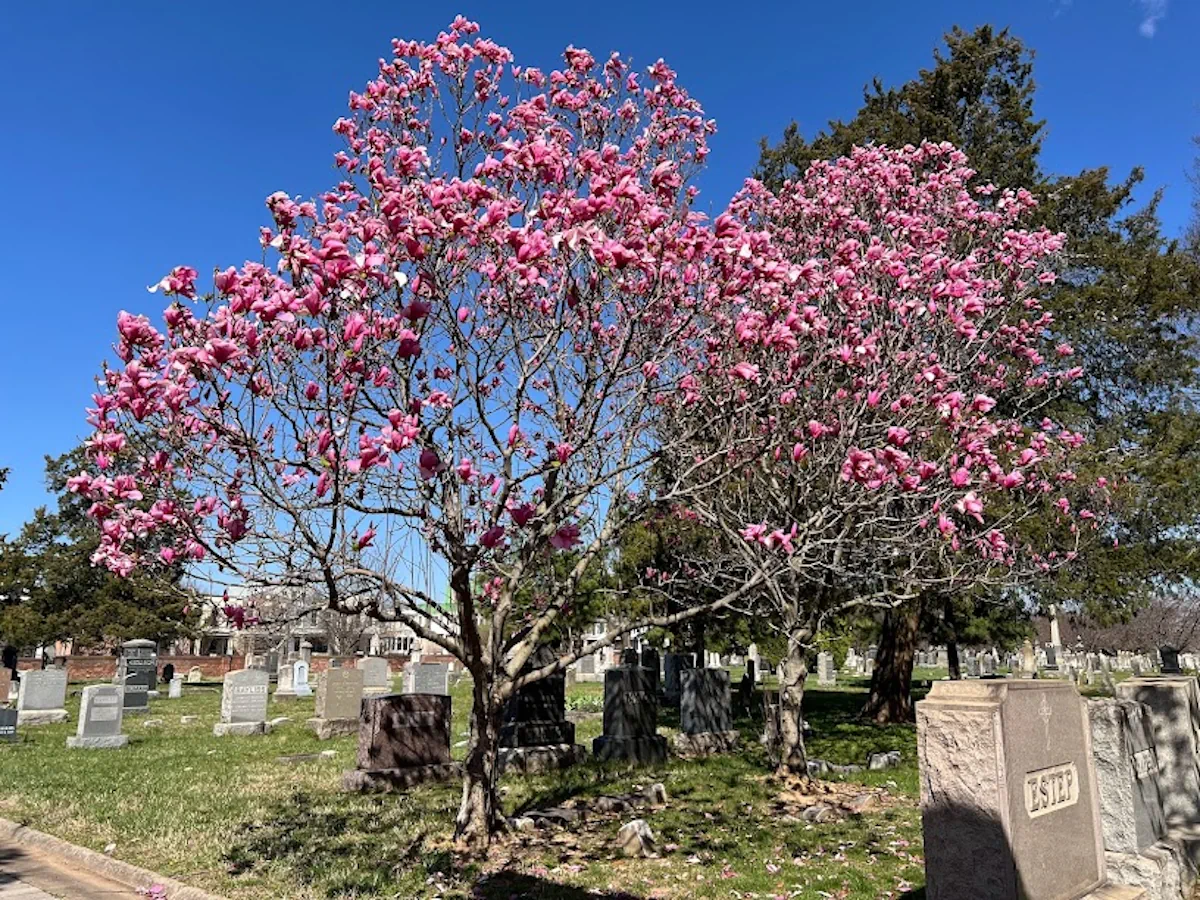
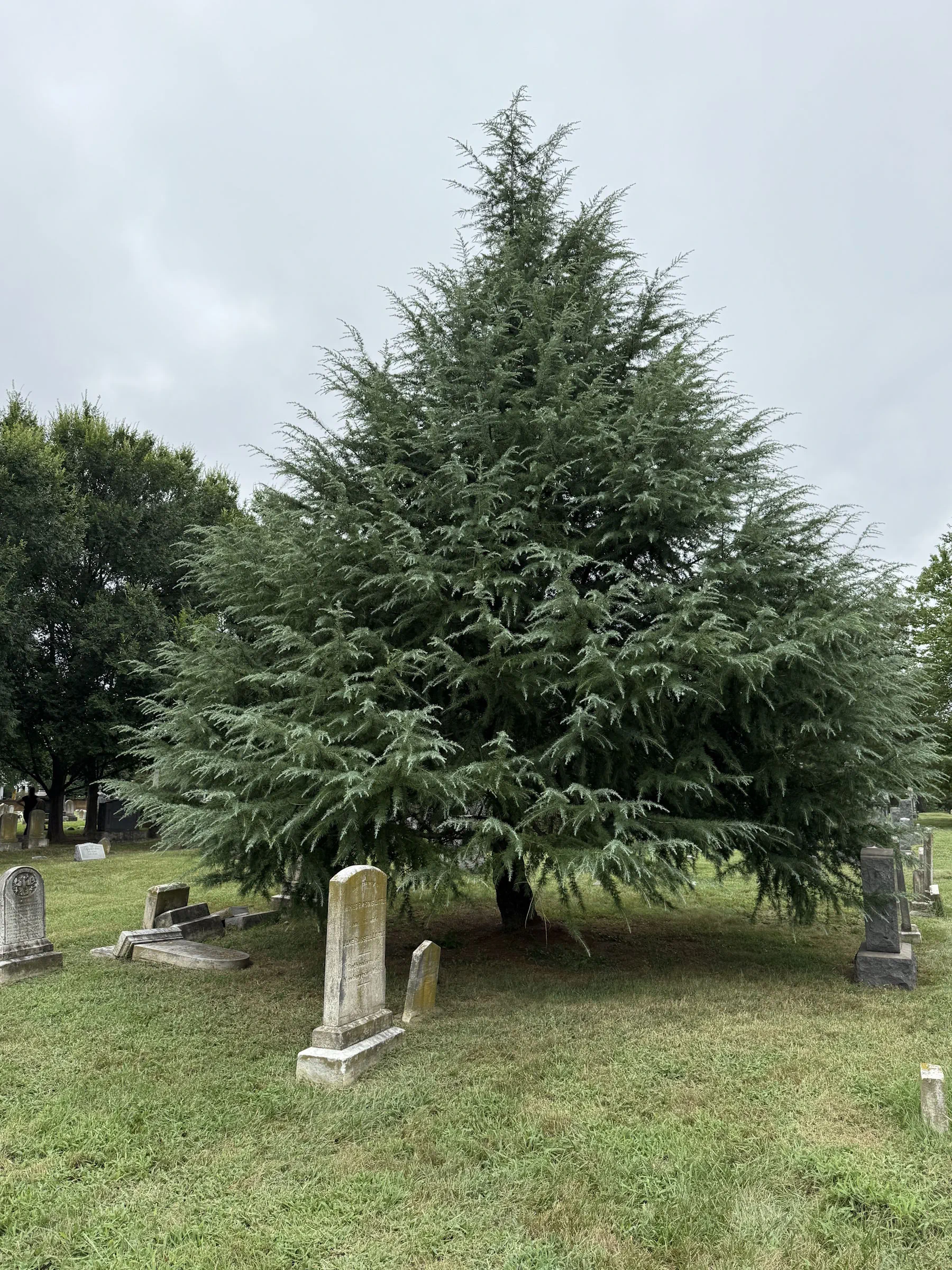
This Tree Walk Through History is the newest and most exciting part of HCC’s efforts to protect and celebrate the natural beauty of its grounds, highlighting some of the spectacular trees that give us beauty all year round. Please see below for our tree database, where you will find statistics and interesting information about each of the trees featured. Although not exhaustive as a list, this set of highlighted trees will define us as a Level 1 Arboretum, and make up a majority of HCC’s green landscape.

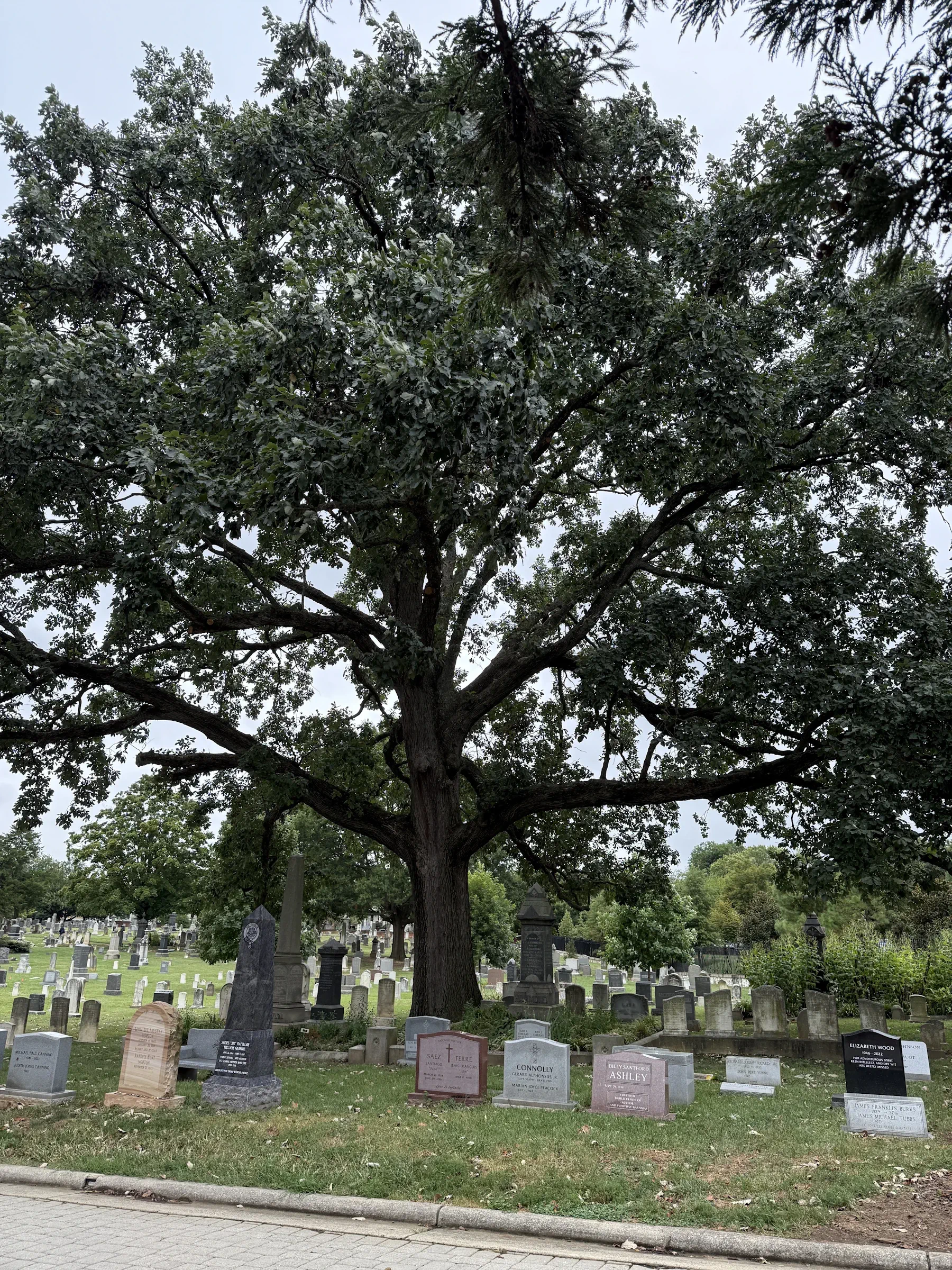
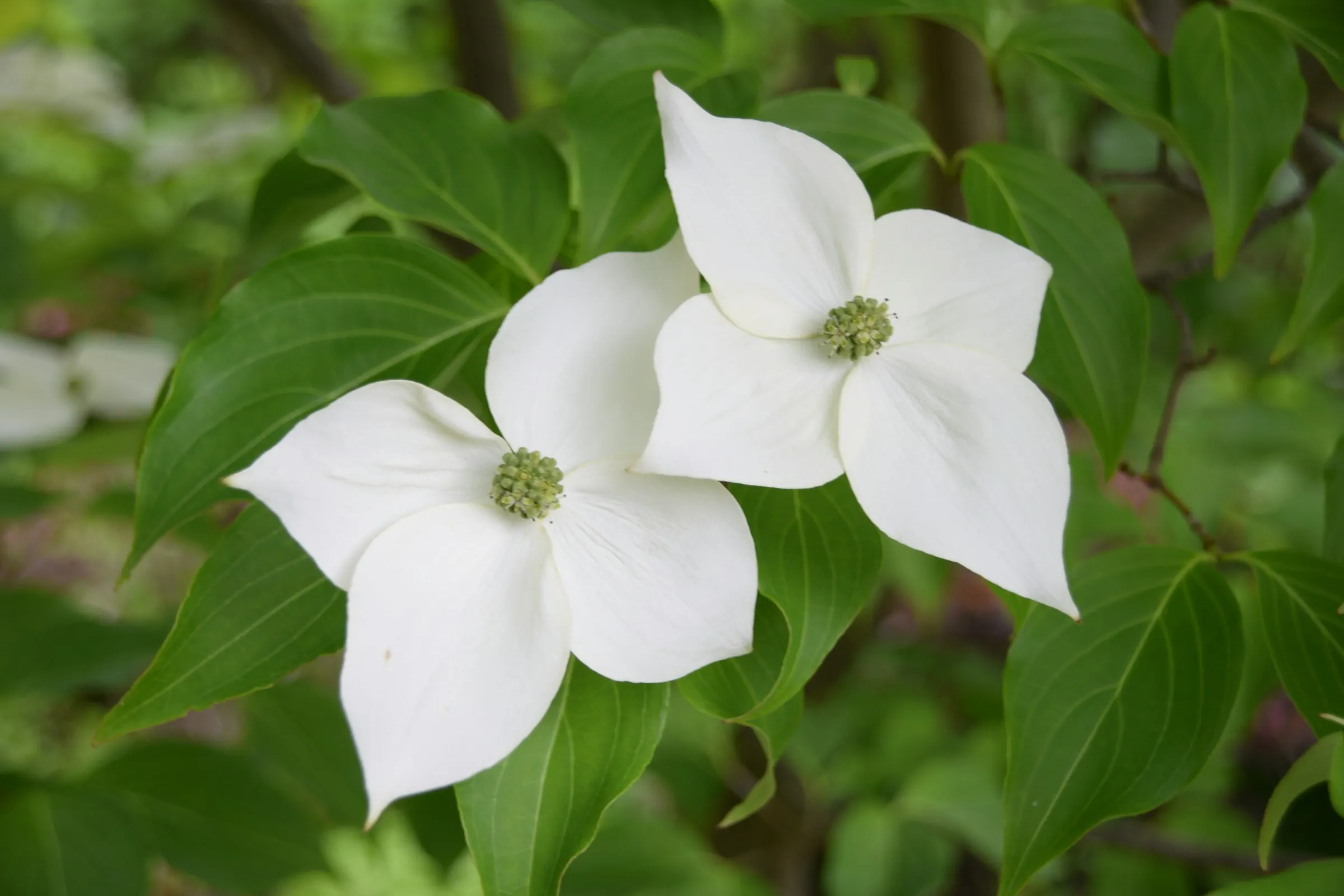
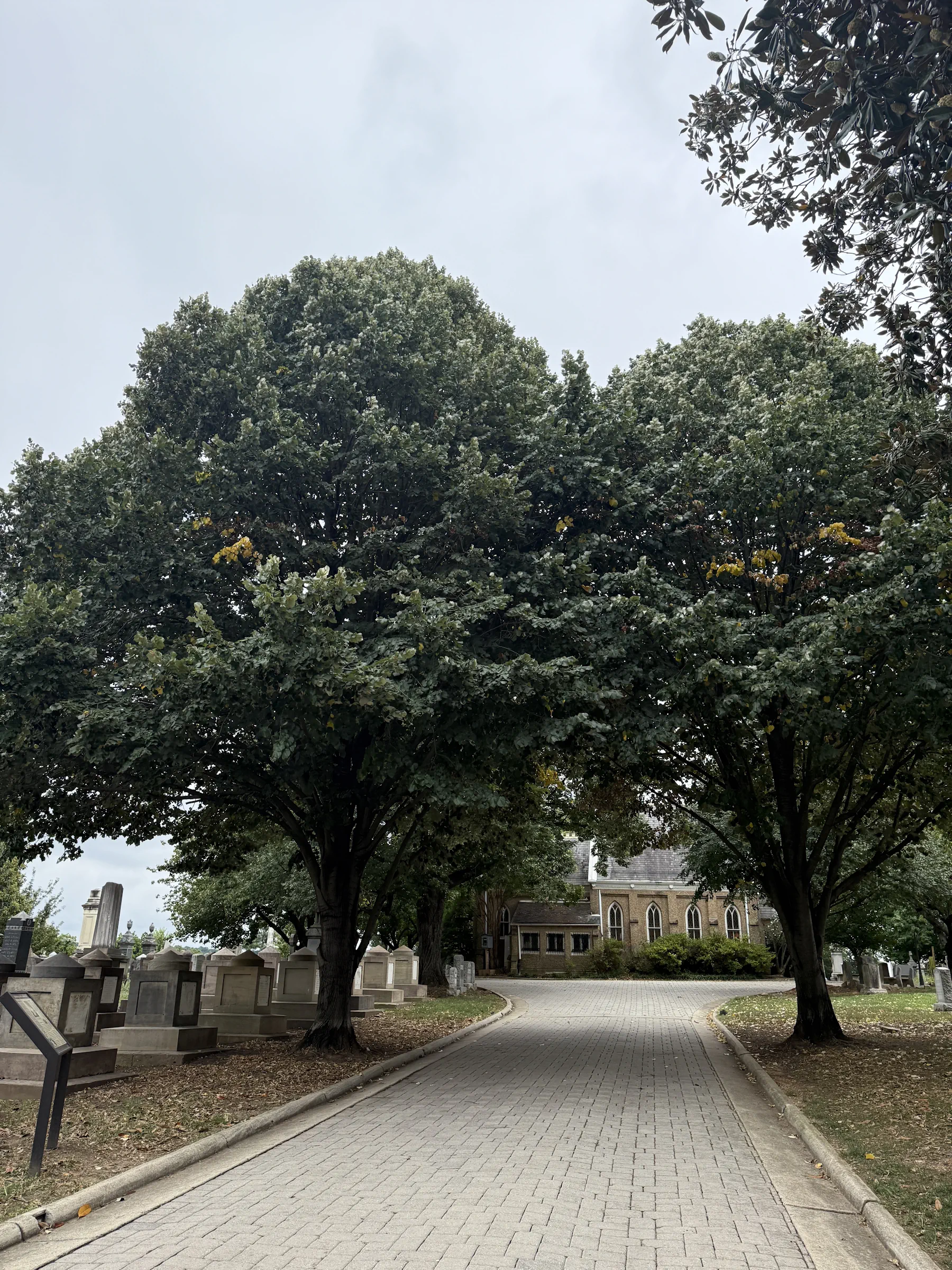
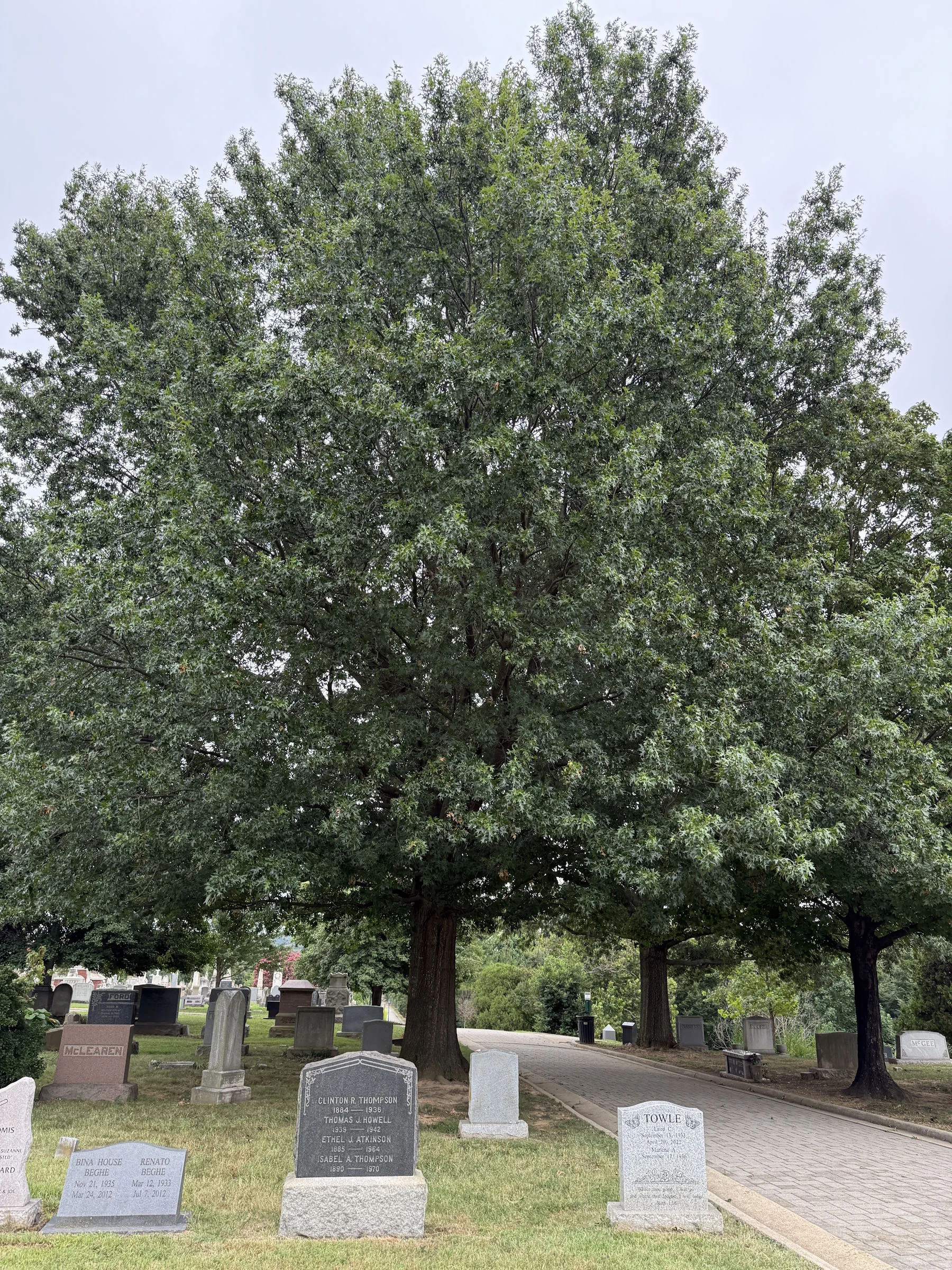
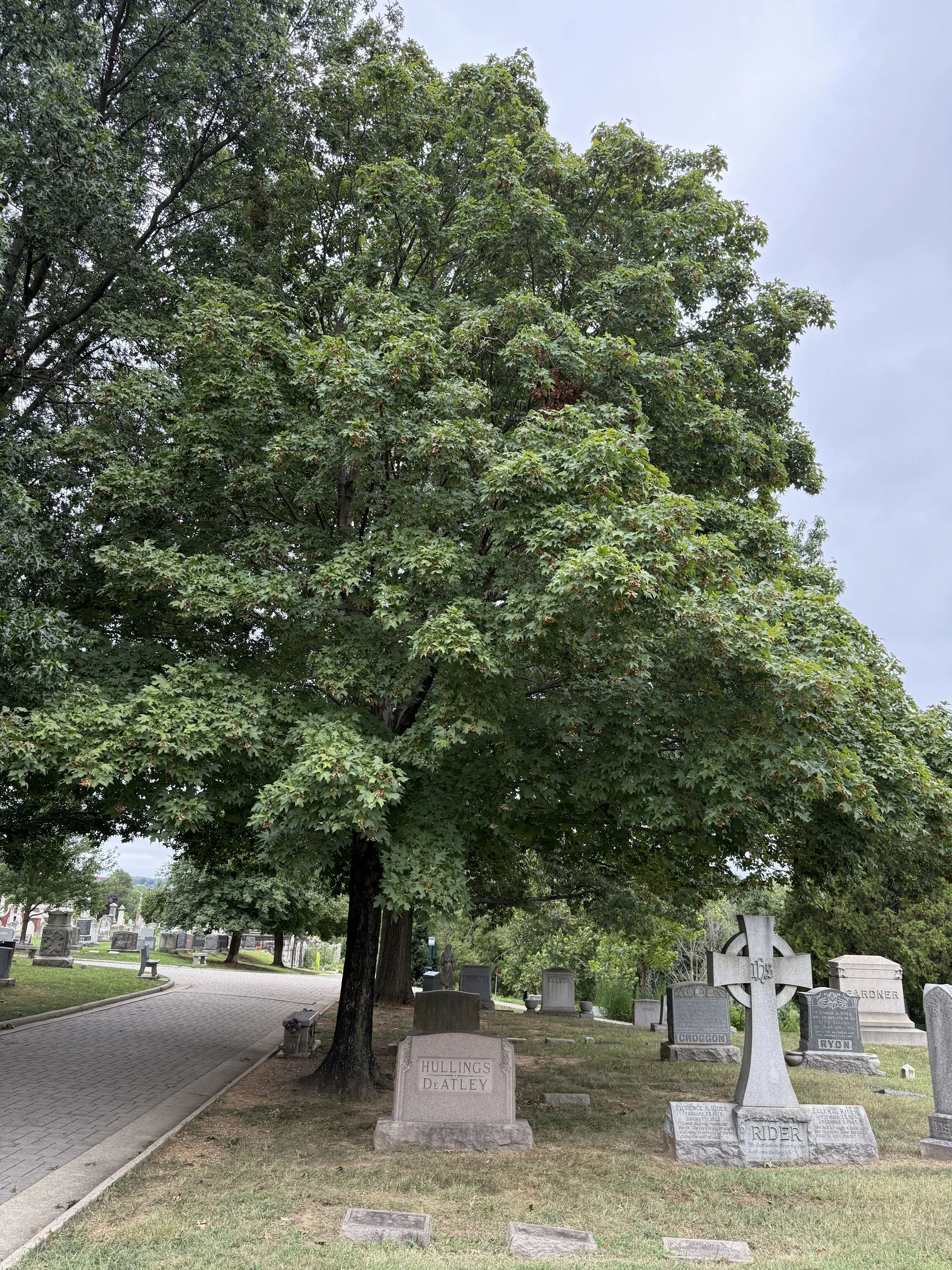
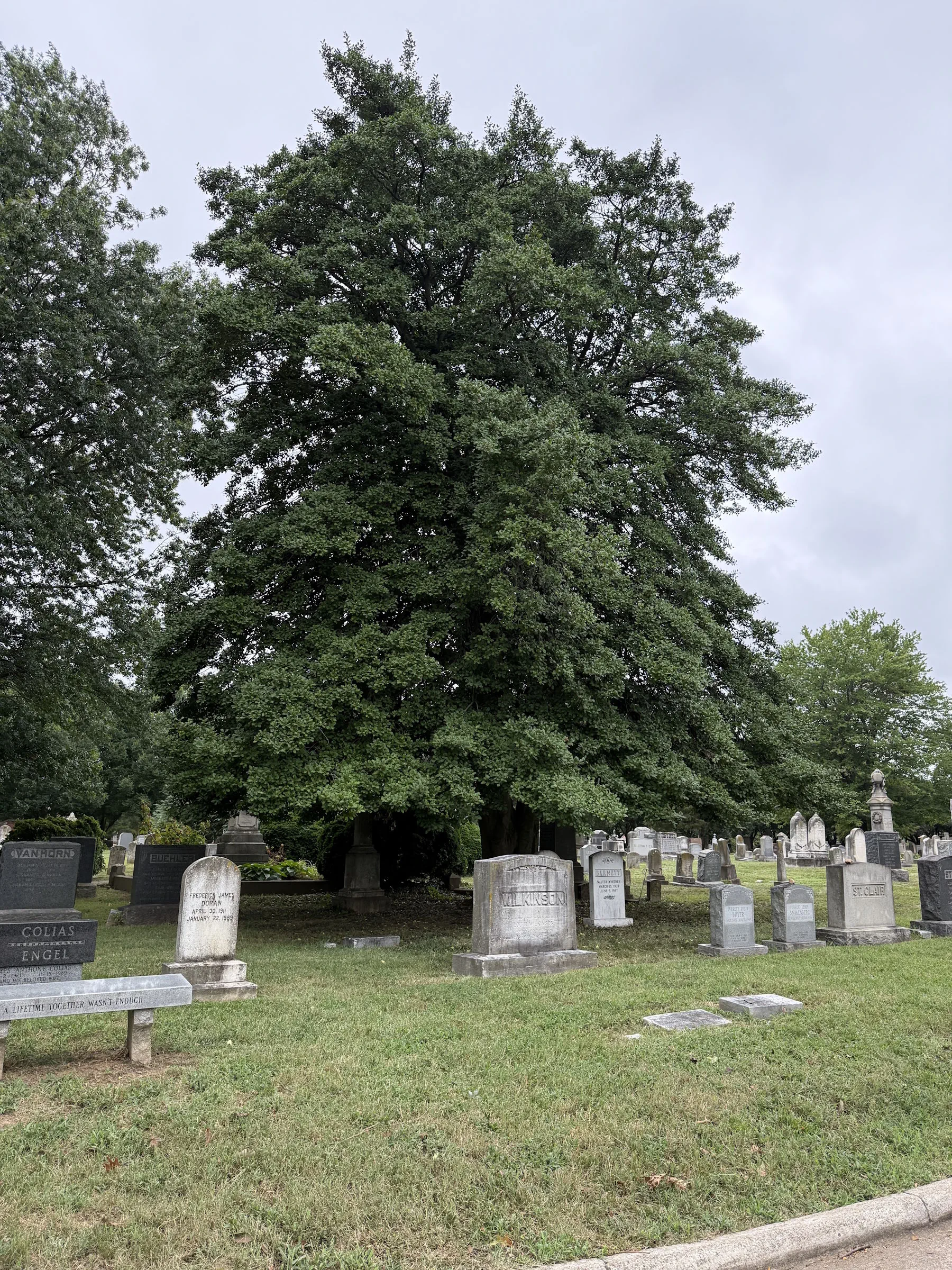
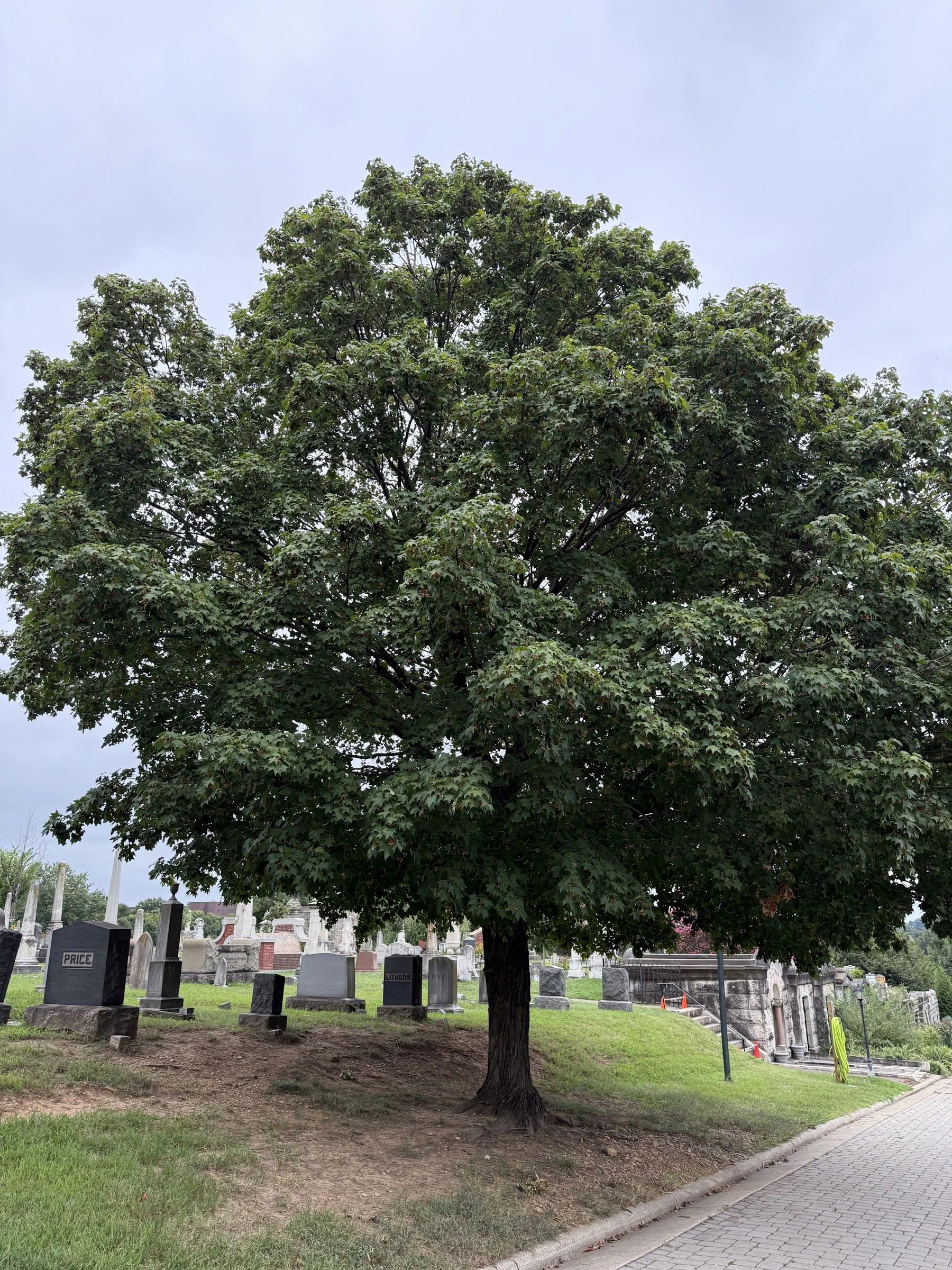
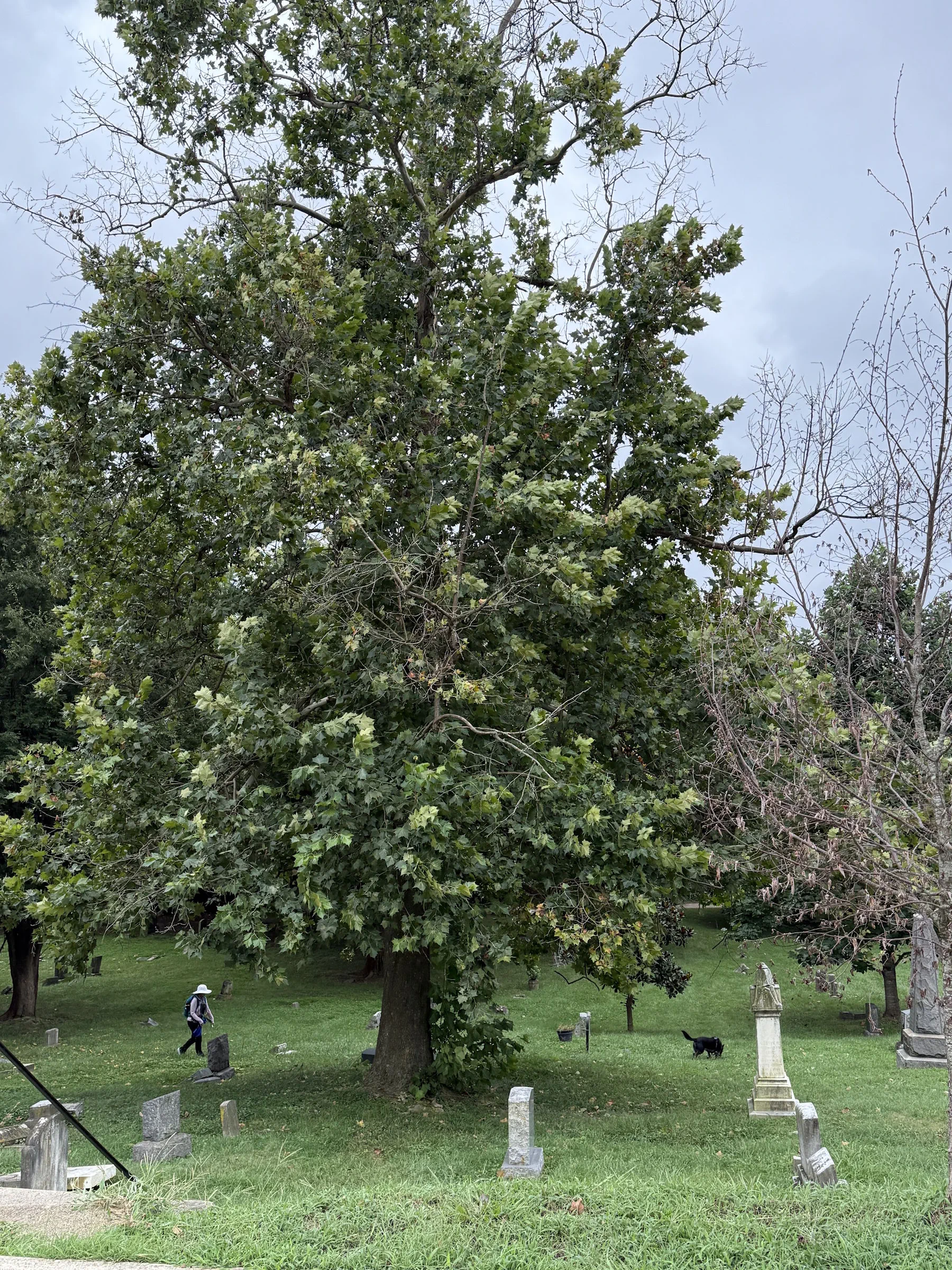
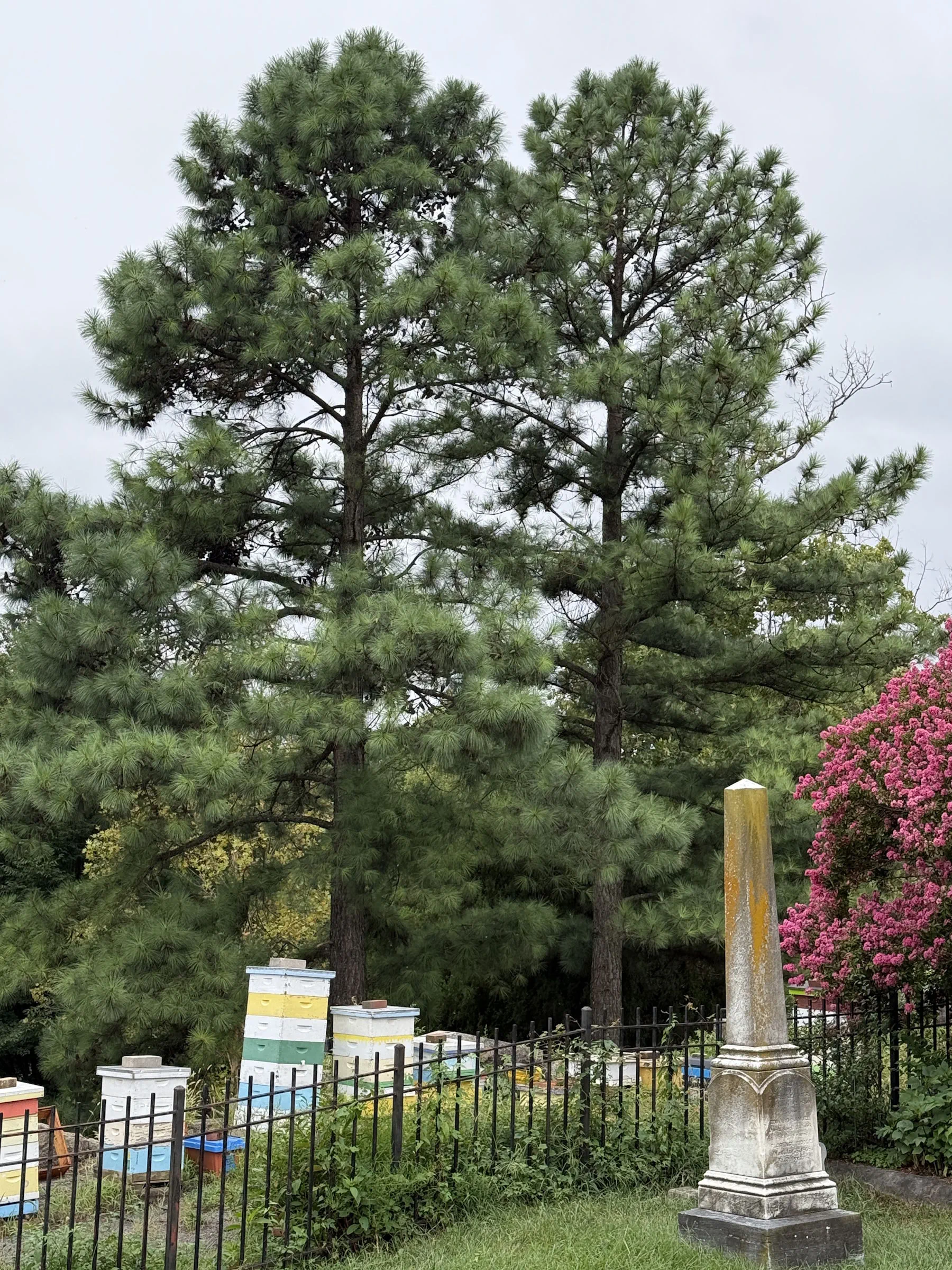
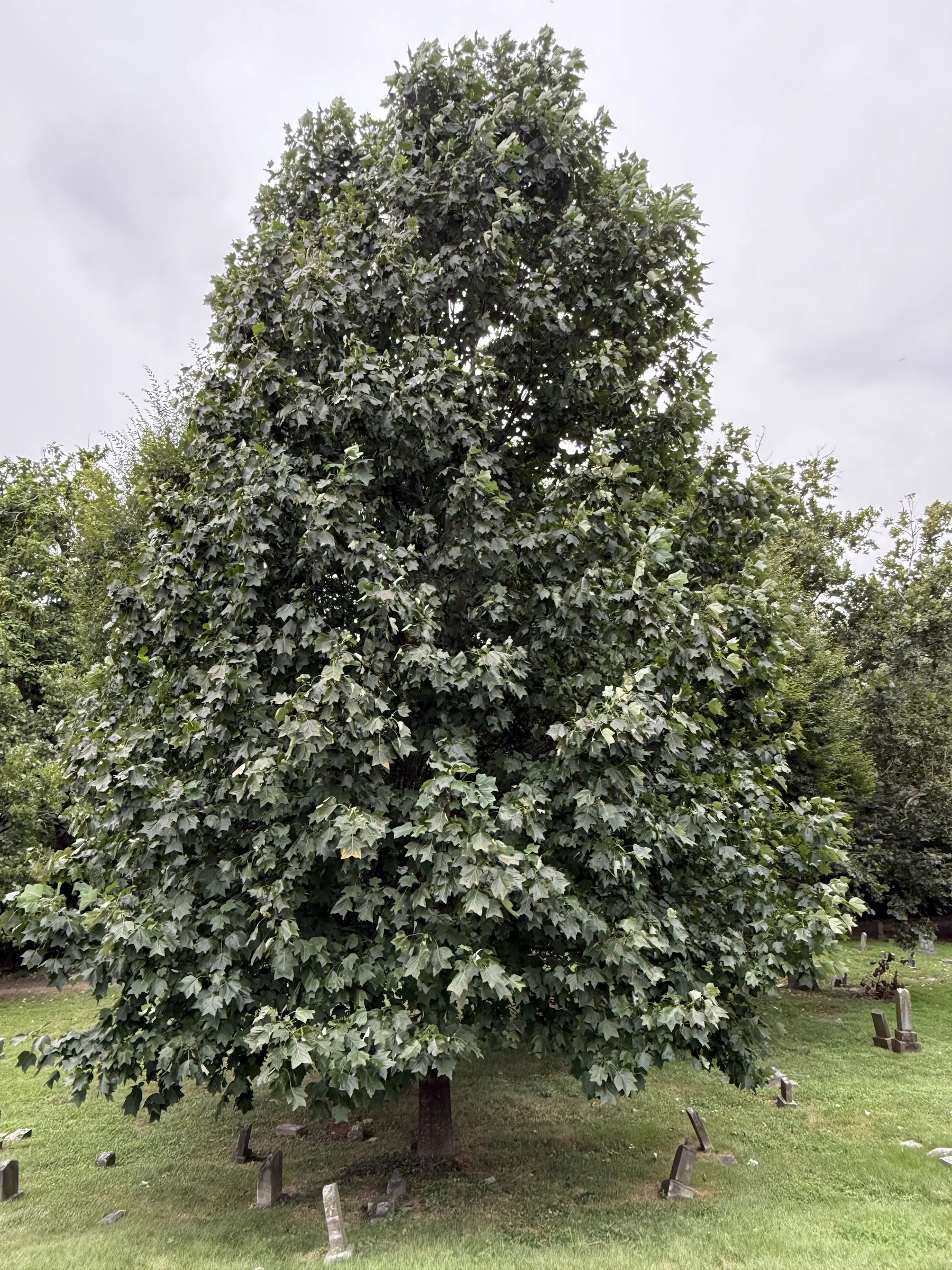
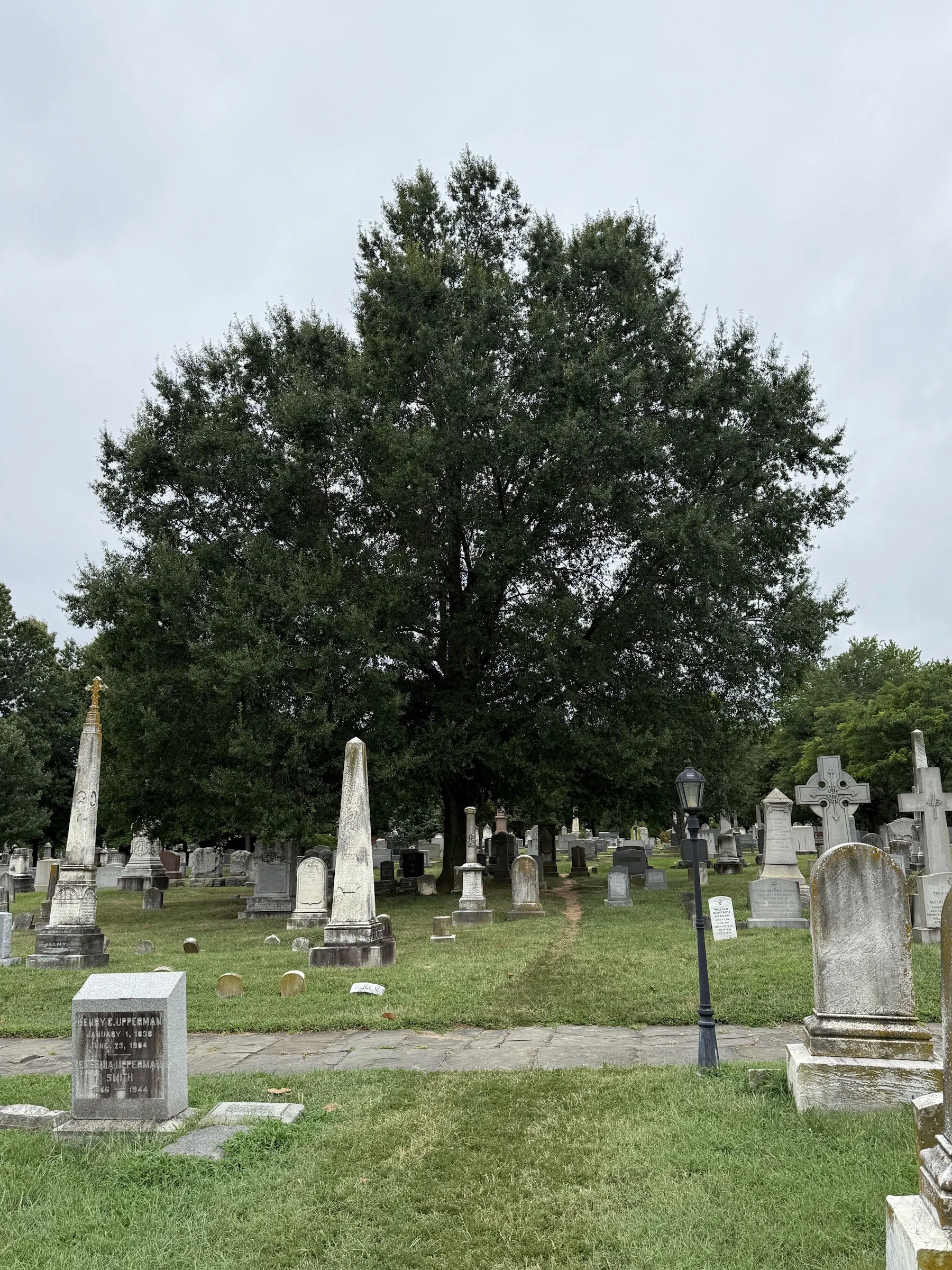
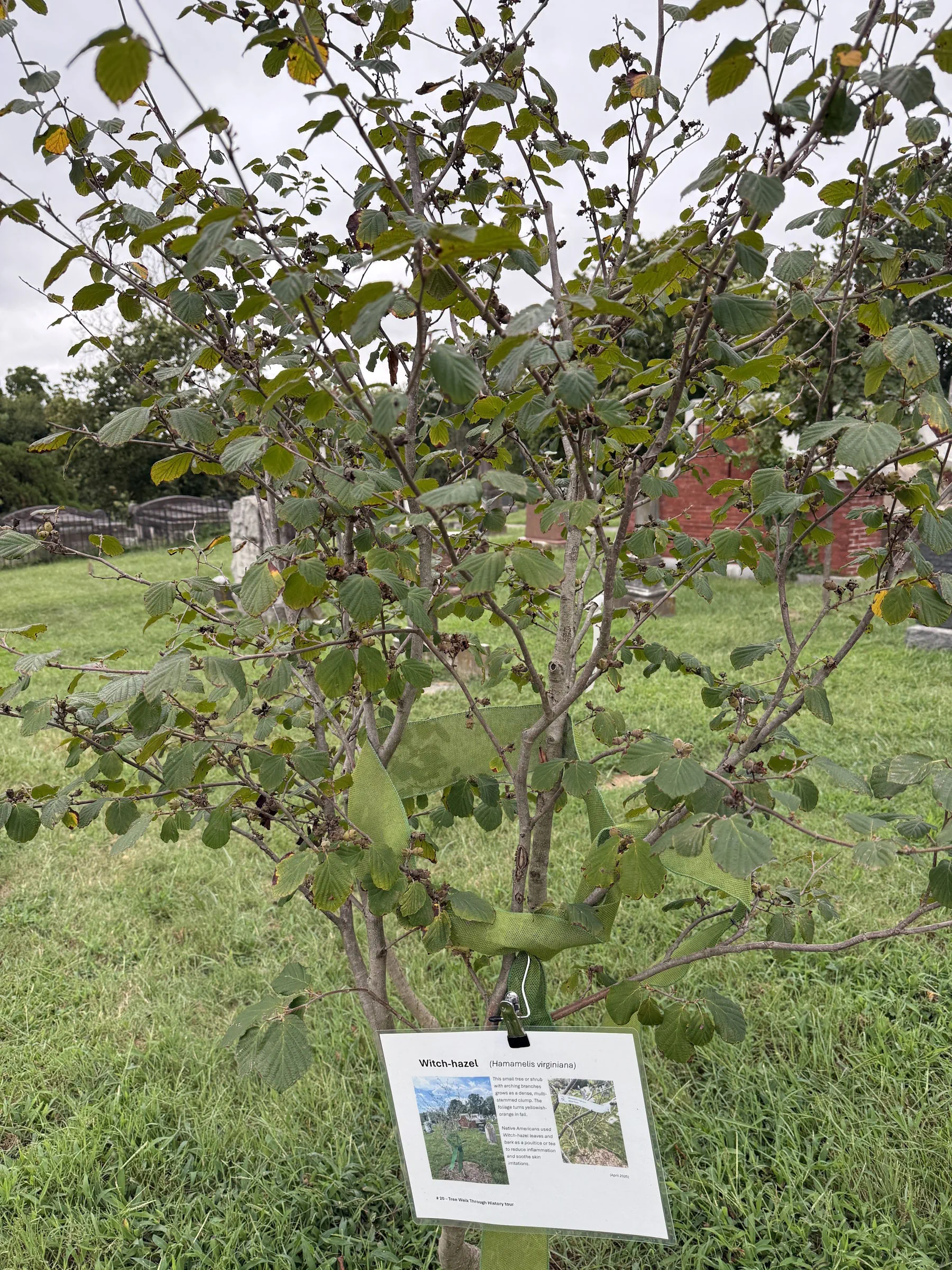
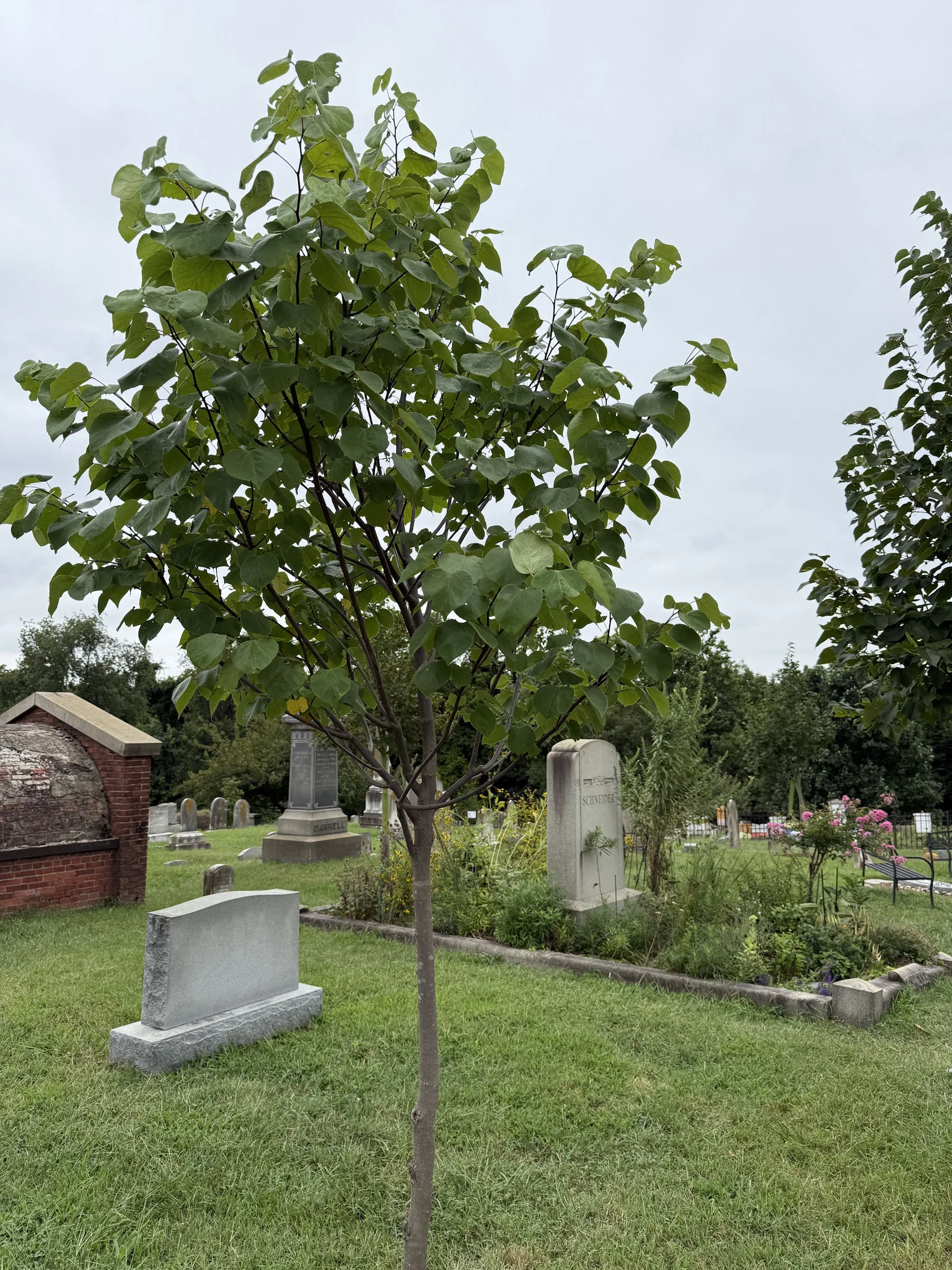
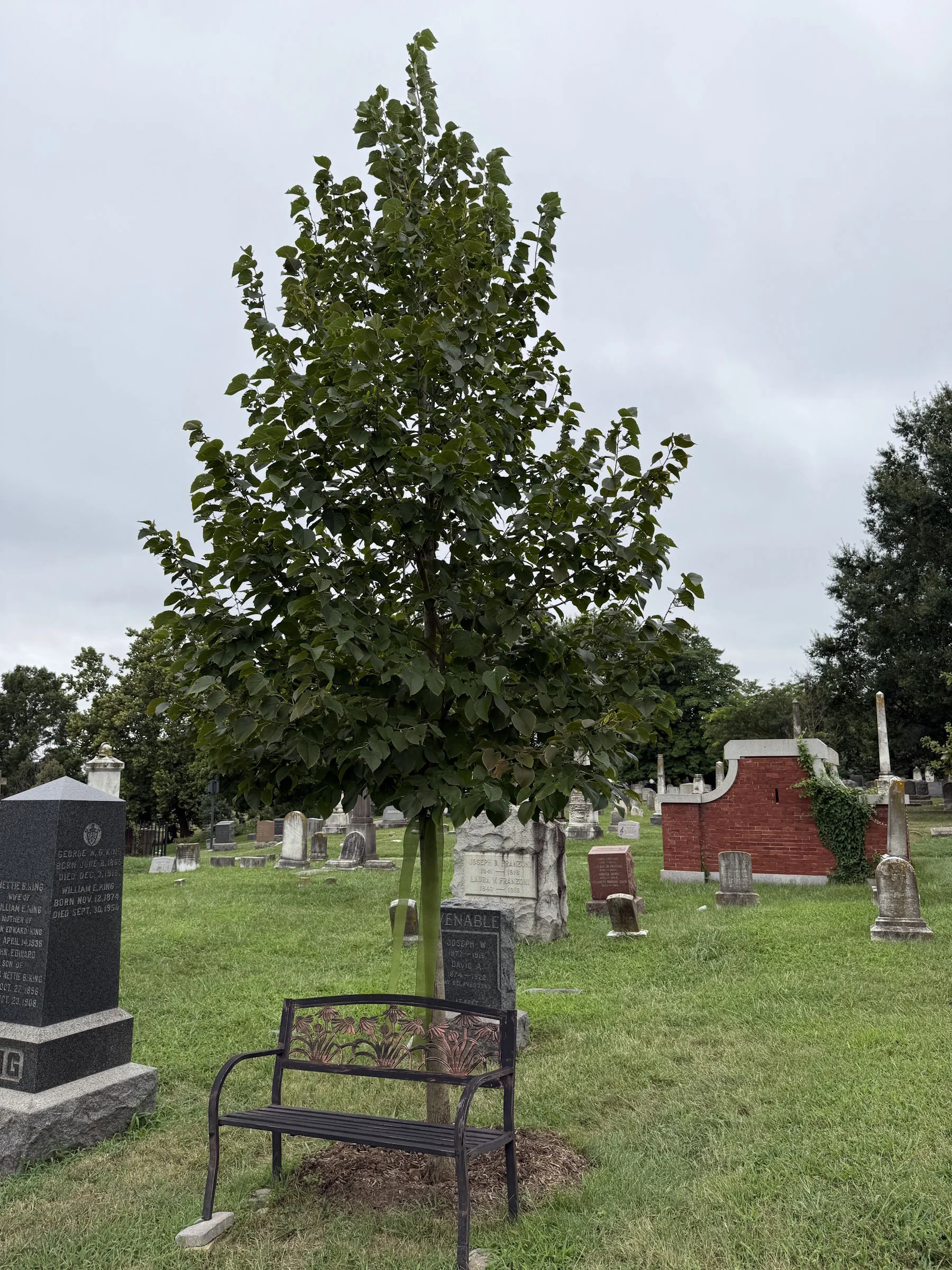
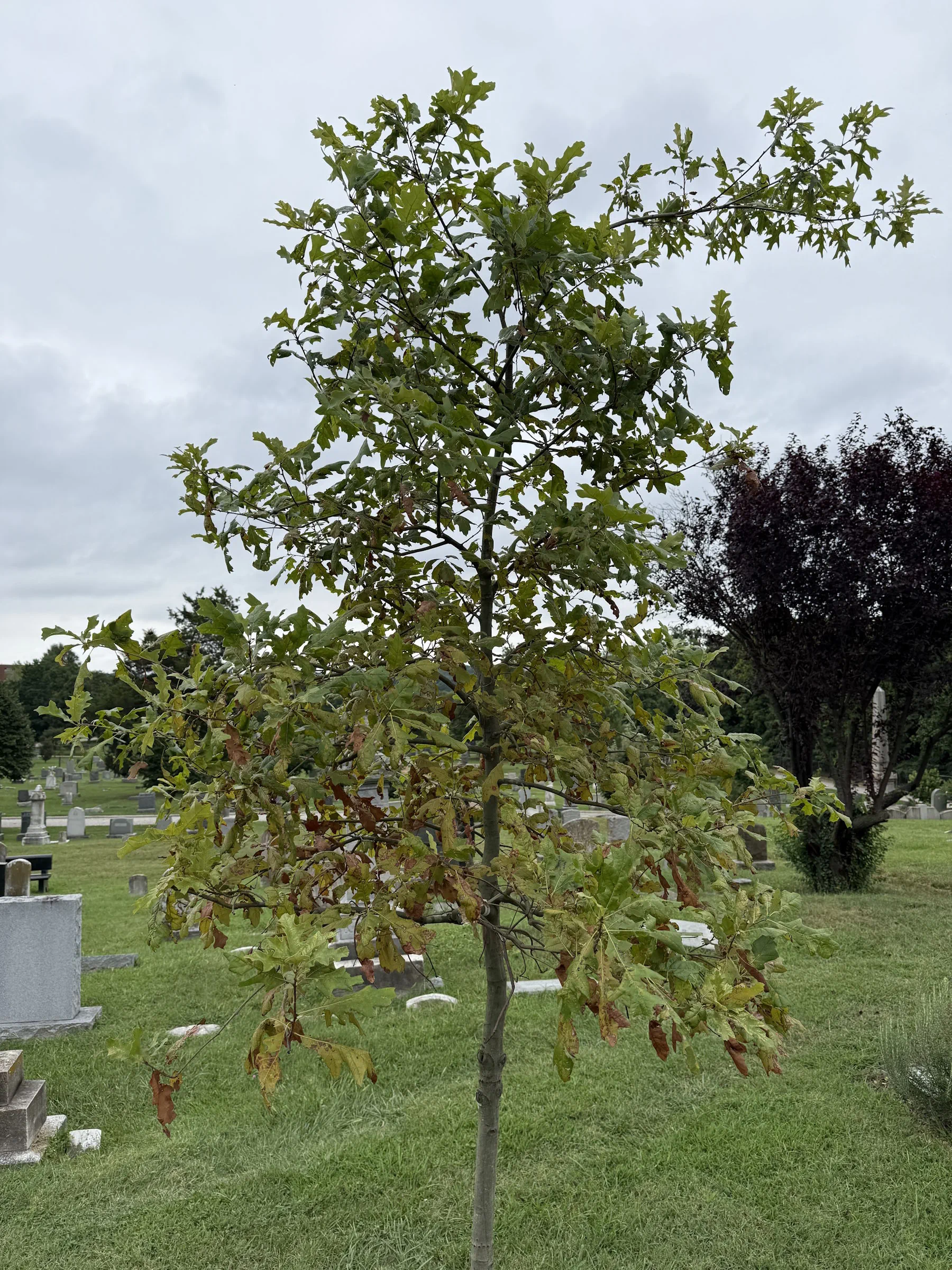
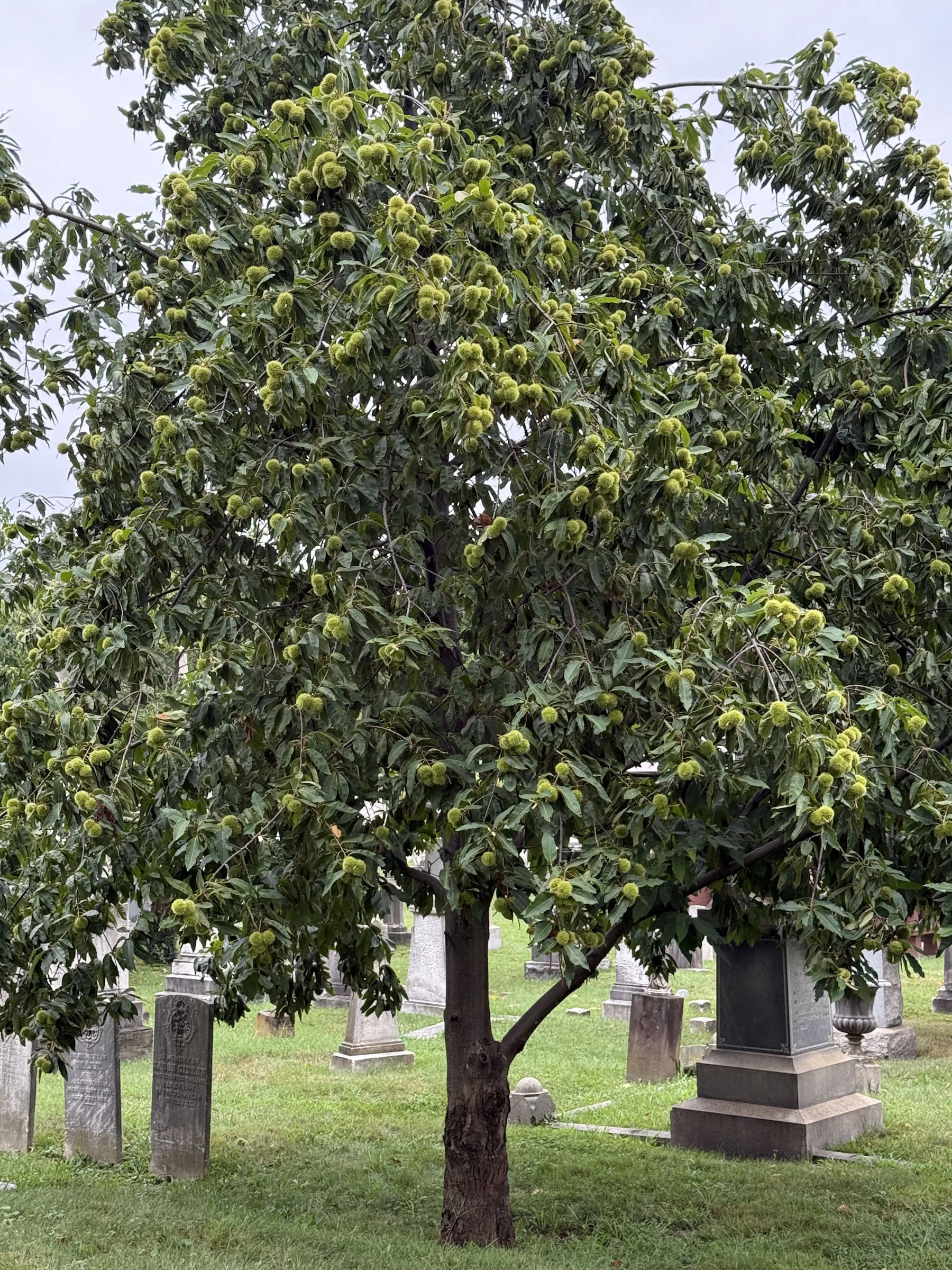
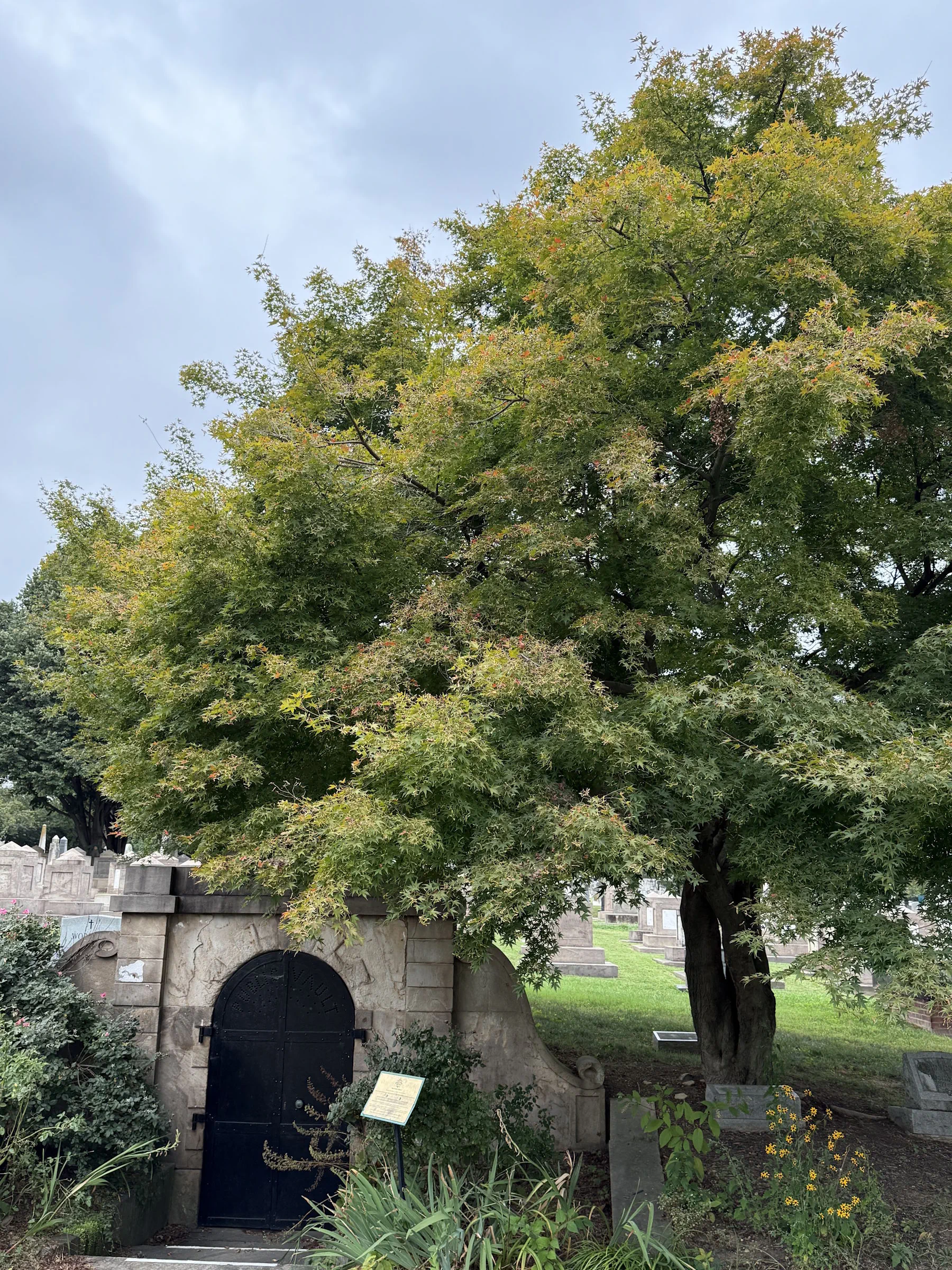
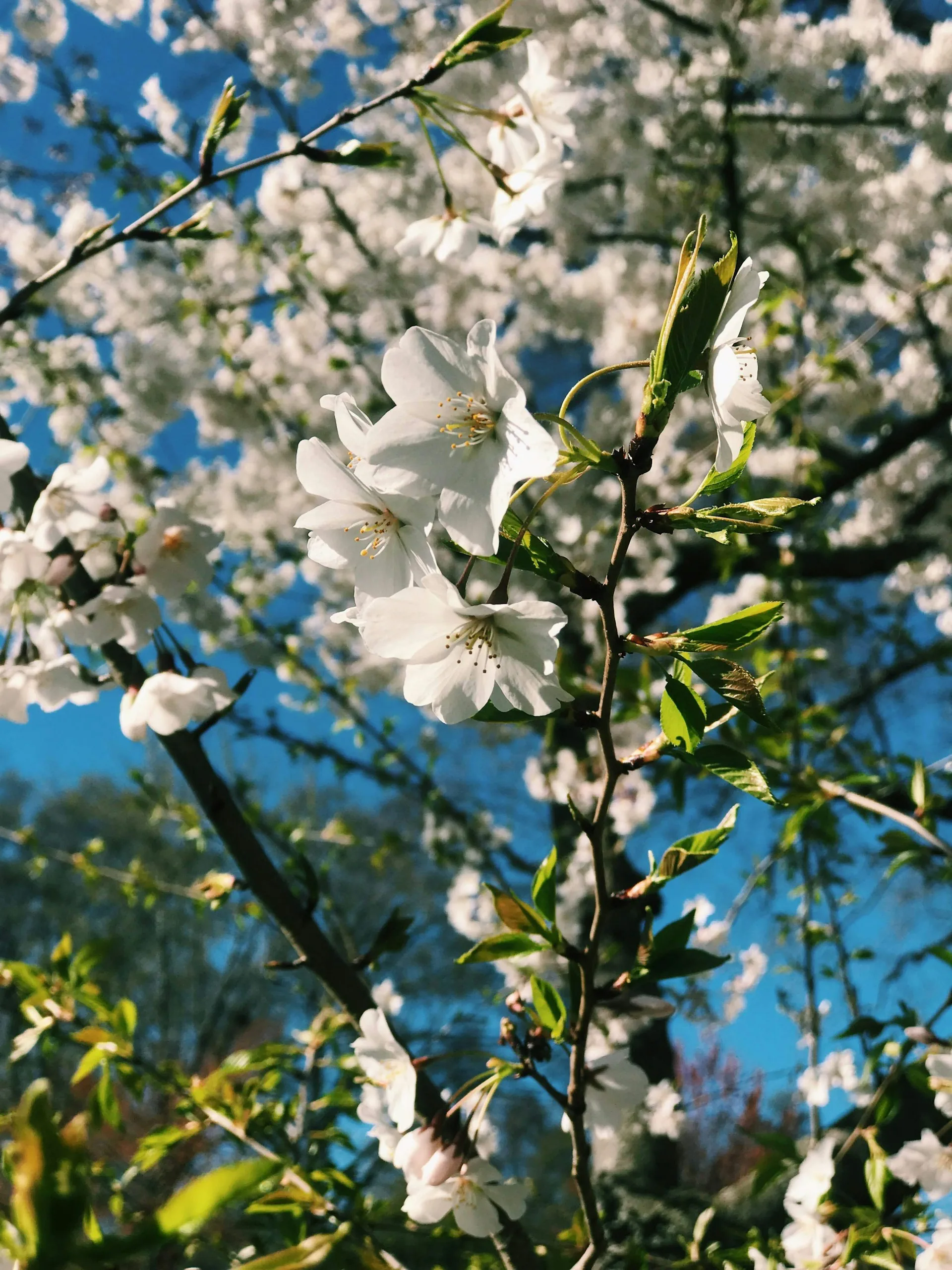

Tree Walk Through History
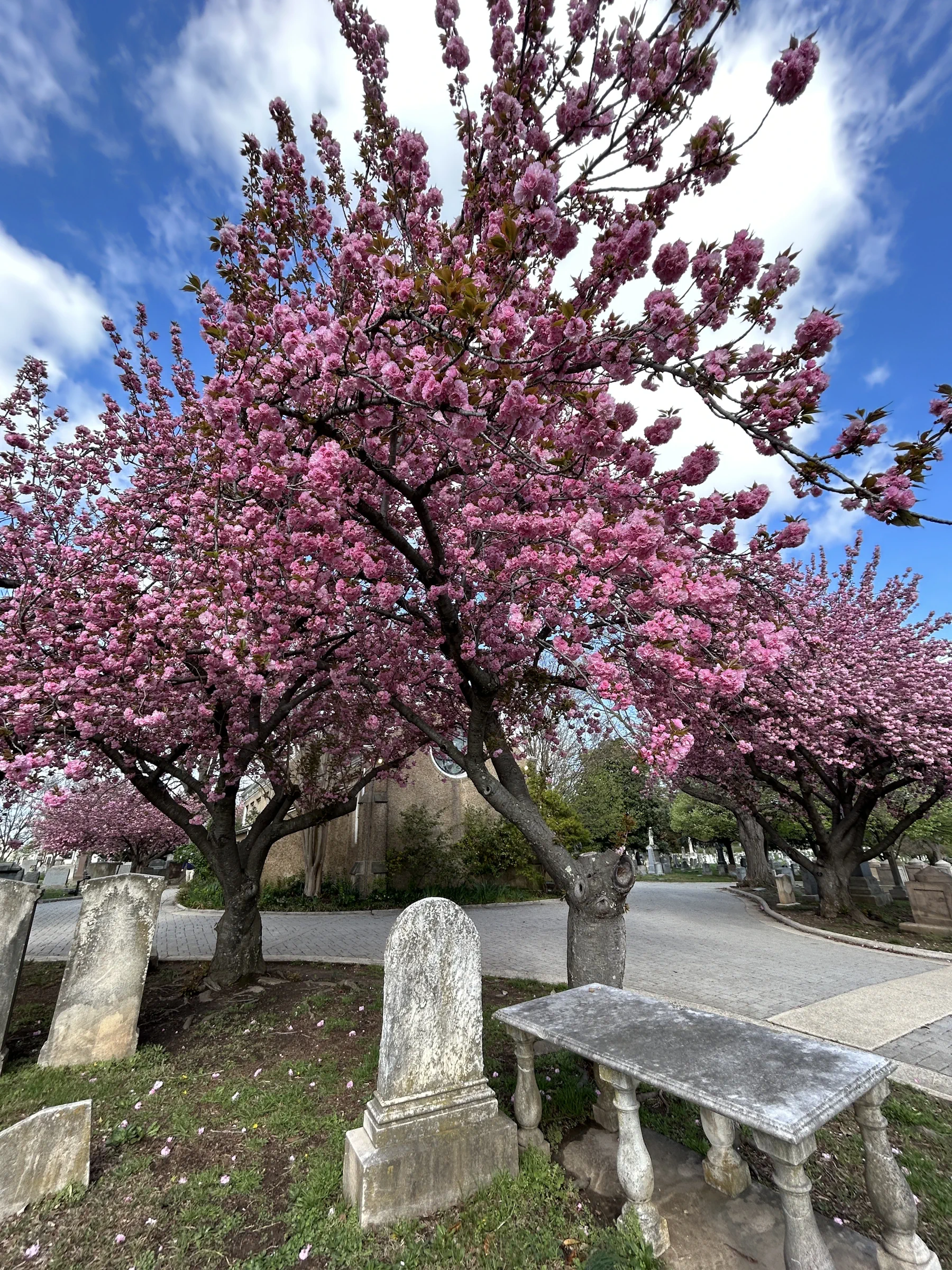
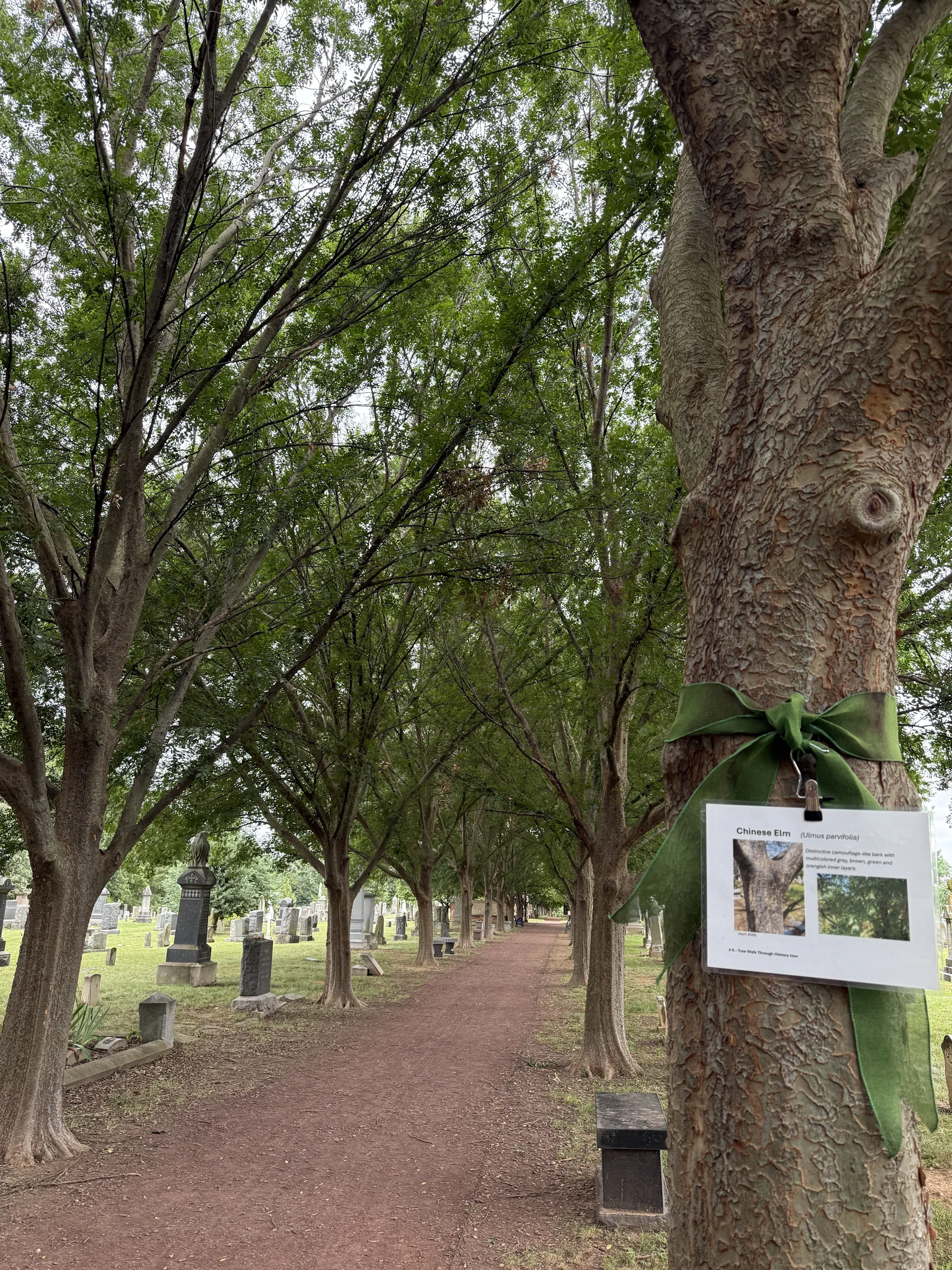
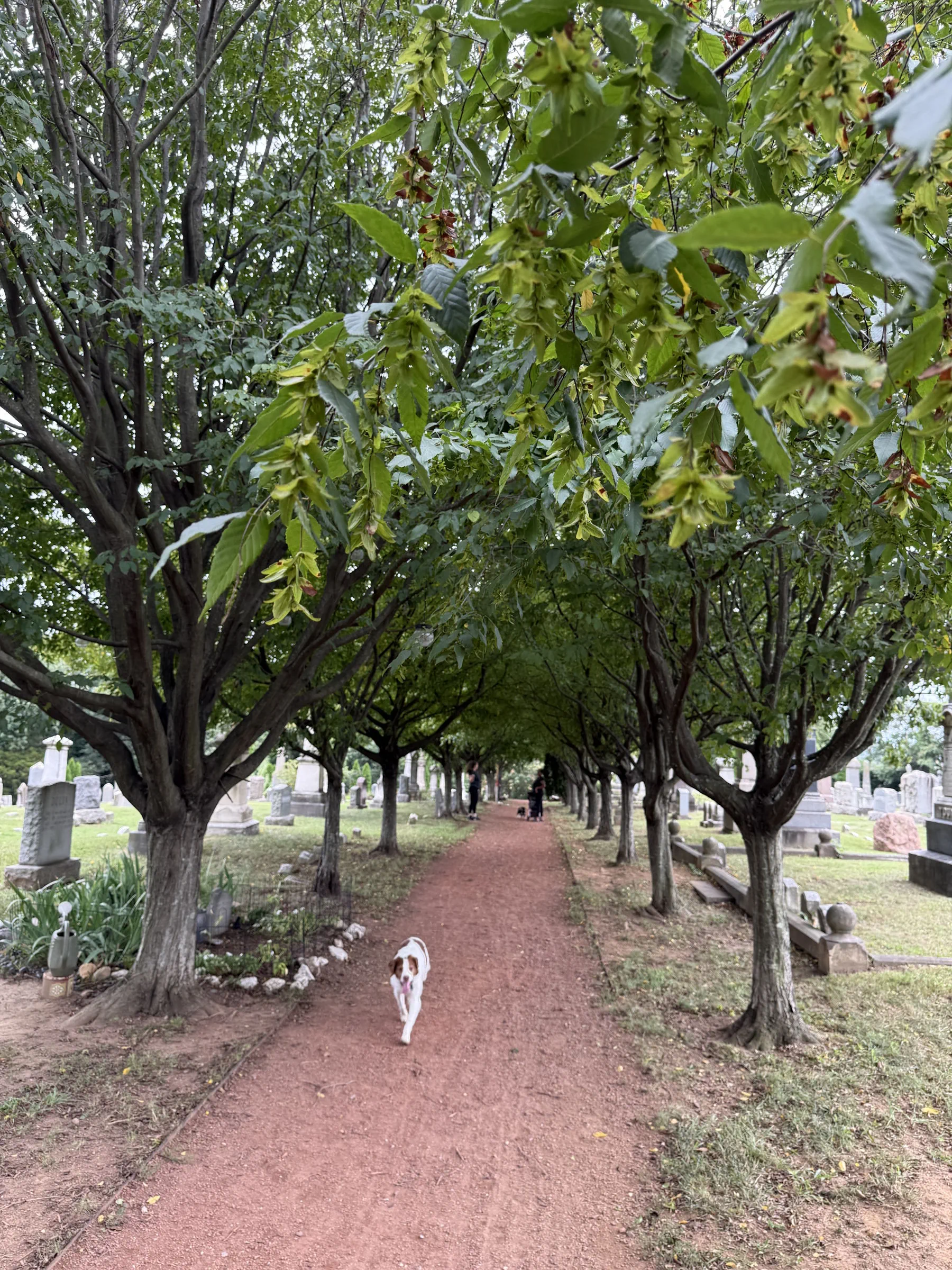
A key feature of the arboretum project is the newly launched ‘Tree Walk Through History’ – a quarter-mile arboreal path showcasing significant memorial sites while highlighting the cemetery’s tree diversity. The trail weaves through picturesque tree tunnels, or bordering allées formed by the tree branches by American hornbeam, Kwanzan cherry, and Chinese elm trees, among others.
The signature tree walk honors the cemetery’s historical legacy while promoting biodiversity and environmental sustainability. Plans for the arboretum include labeling two dozen distinct species of trees with their botanical and common names for visitors to identify and enjoy.
Among the highlights of the tour is the Circle of Life, an outdoor contemplative gathering space surrounded by a circular “tree-henge” of eight American linden trees (also known as basswoods) planted in 2020. Each young tree is aligned with a navigational point on the central compass sundial. As they mature, their respective tree shadows across the compass will mark the changing seasons and the sun’s celestial path during solstices and equinoxes. This living ‘tree-henge’ is a tribute to nature’s perseverance and the ebb and flow of time that gives way to another day, and another season.