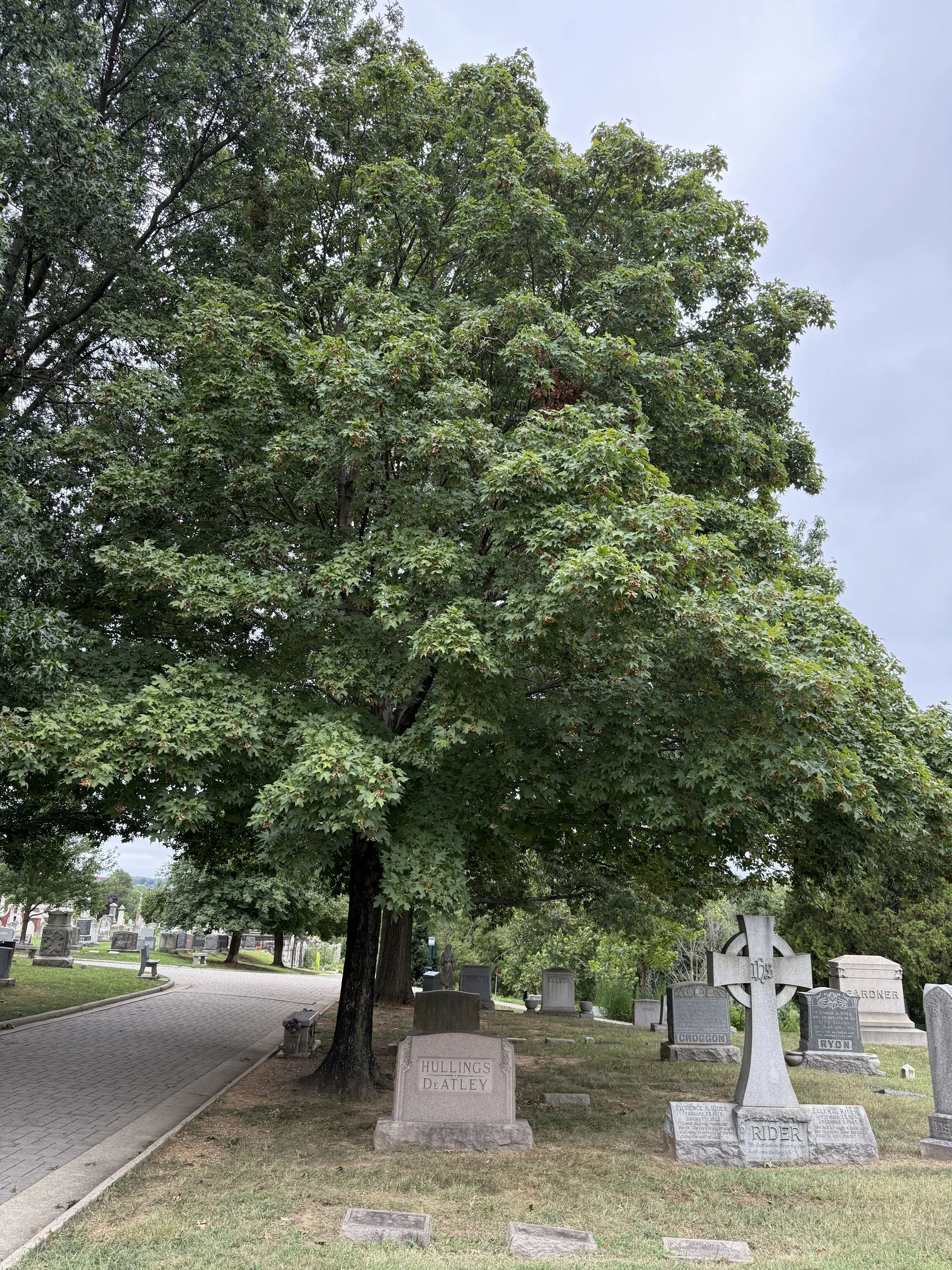
The sugar maple is a medium to large-sized deciduous tree whose five-lobed leaves are honored as the main feature of the Canadian flag. Its native range spans through the northeastern United States and into the southeast of Canada, requiring cold weather below 50 degrees Fahrenheit in the winter for seed germination. The sugar maple is a long-lived tree, creating many hardwood forests that are dominated by sugar maples. Unlike many maples, which have broader root systems, sugar maples have deep taproots that draw water upward from underground, benefitting them and their neighboring plants in times of drought.
Best known for its yellow to red autumn foliage, the sugar maple is a striking and extremely useful tree to animals and humans alike. It has high-quality wood with distinctive striations, which is stable enough for musical instruments and sports equipment. Its seeds, leaves, and inner bark are edible, and as long as winters are cold, it produces sap that can be distilled into maple syrup. For their beauty and utility, the sugar maple is the state tree of Vermont, New York, West Virginia, and Wisconsin.
ALSO KNOWN AS: Sweet Maple, Rock Maple, Sugar Tree, Hard Maple, Birdseye Maple, Curly Maple
FAMILY: Sapindaceae
NATIVE STATUS: Native
NATIVE RANGE: Northeastern United States
FOLIAGE: Deciduous
MAX. HEIGHT: 115 ft.
MAX. AGE: 300 yrs.
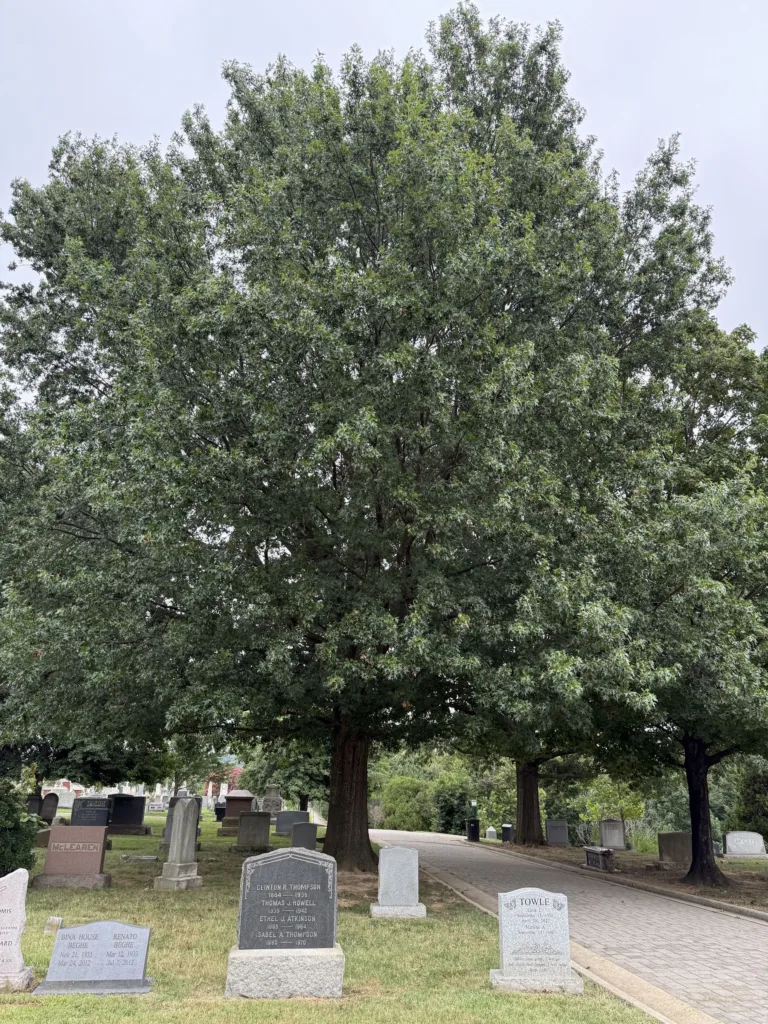
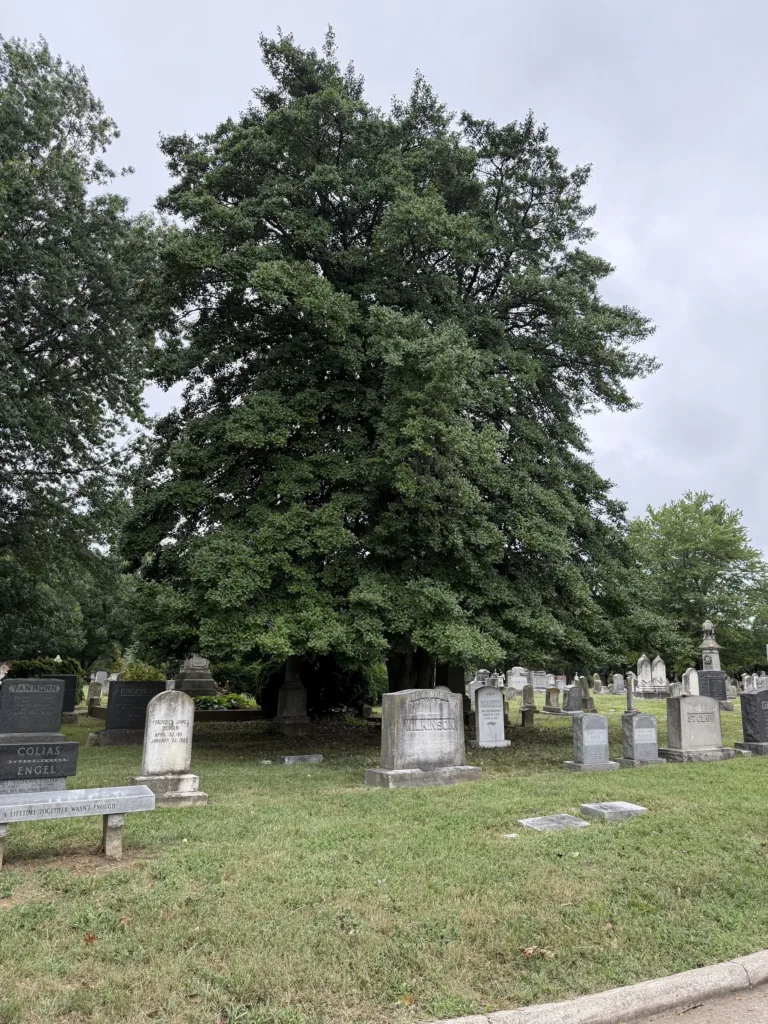
Stop #13 on the Congressional Tree Walk