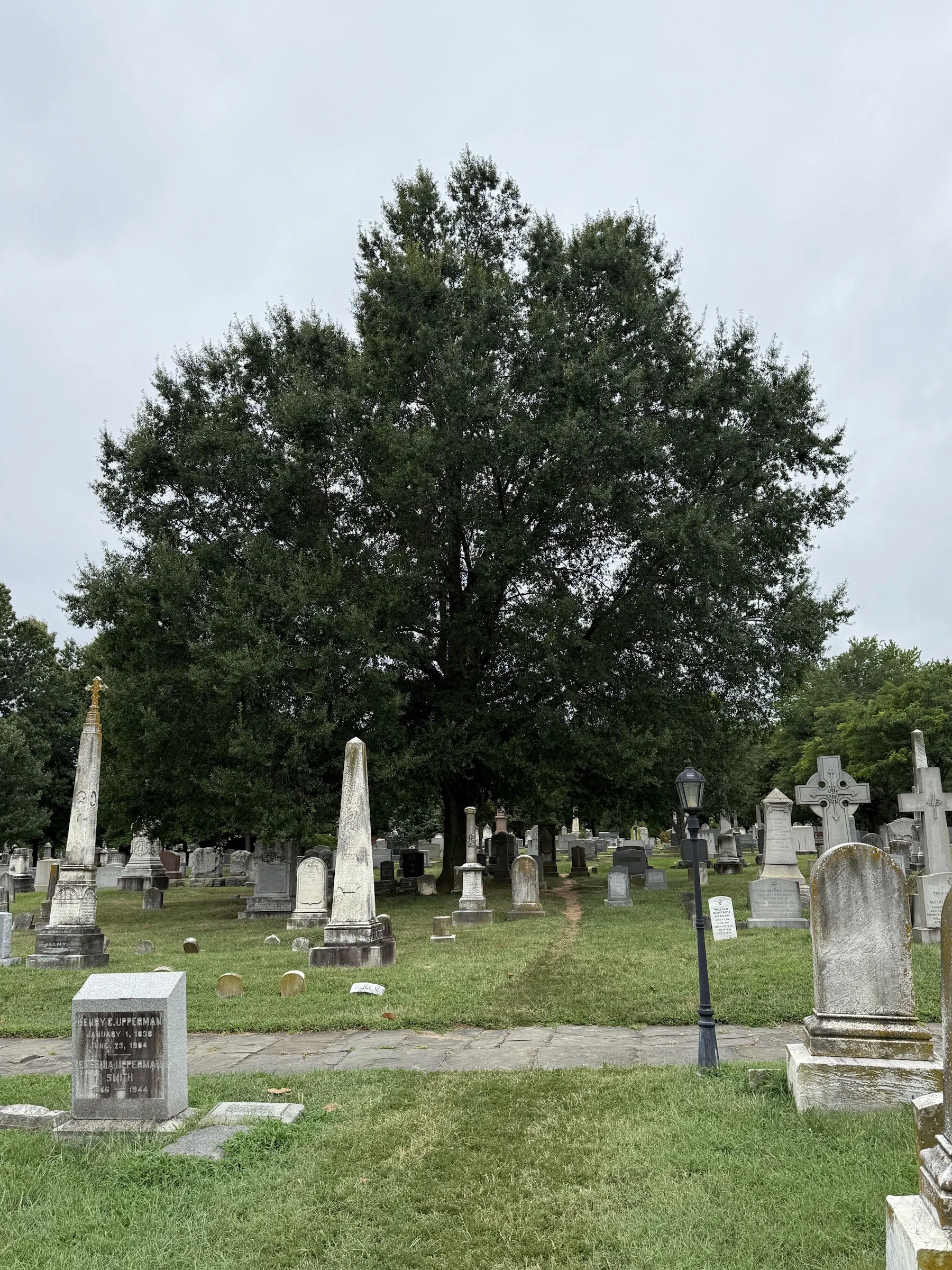
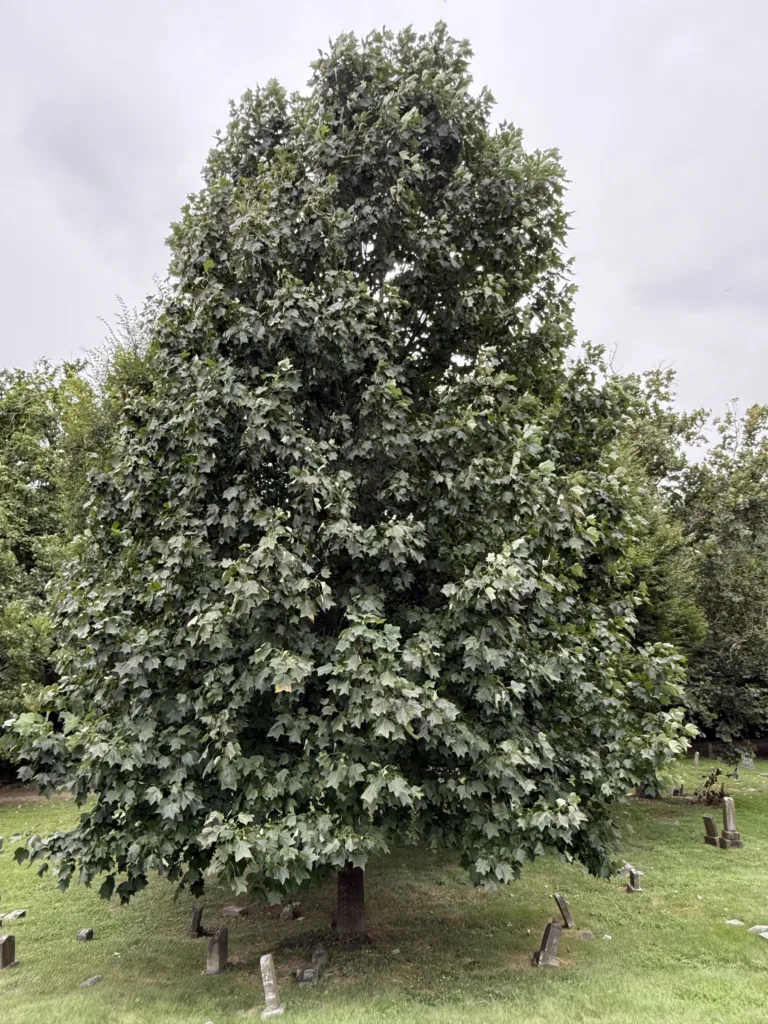
The willow oak is a member of the red oak species that is distinguished from other oaks by its slender, unlobed, untoothed leaves that closely resemble willow leaves. Its main native range is in most of the southeastern United States, but the northernmost points of the range stretch as far as New Jersey along the Atlantic coastline, and as far west as eastern Texas. Notably, it does not natively grow in the Florida peninsula or southern Georgia. Willow oaks prefer lowland floodplains along rivers and streams, but can be found on drier upland locations, provided the soil and humidity are suitable.
The willow oak is popular as an ornamental tree throughout the southern United States that has historically been used for its versatile wood, edible (with processing) acorns, and for the antiseptic properties of its bark. It is a tree that provides habitat and food for many insect species, including the northern walkingstick and a variety of other animals: owls, turkeys, deer, squirrels, tree frogs, songbirds, and more.
Congressional Cemetery’s largest willow oak is located in HCC’s northeastern section, near the LGBTQ+ section. Willow oaks can live past 150 years, so although a grave nearby depicts a willow, this willow oak was likely planted sometime after most of the 1800s era graves were installed.
ALSO KNOWN AS: Peach Oak, Water Oak, Swamp Chestnut Oak
FAMILY: Fagaceae
NATIVE STATUS: Native
NATIVE RANGE: Southeastern United States
FOLIAGE: Evergreen
MAX. HEIGHT: 106 ft.
MAX. AGE: 150 yrs.
Stop #19 on the Congressional Tree Walk