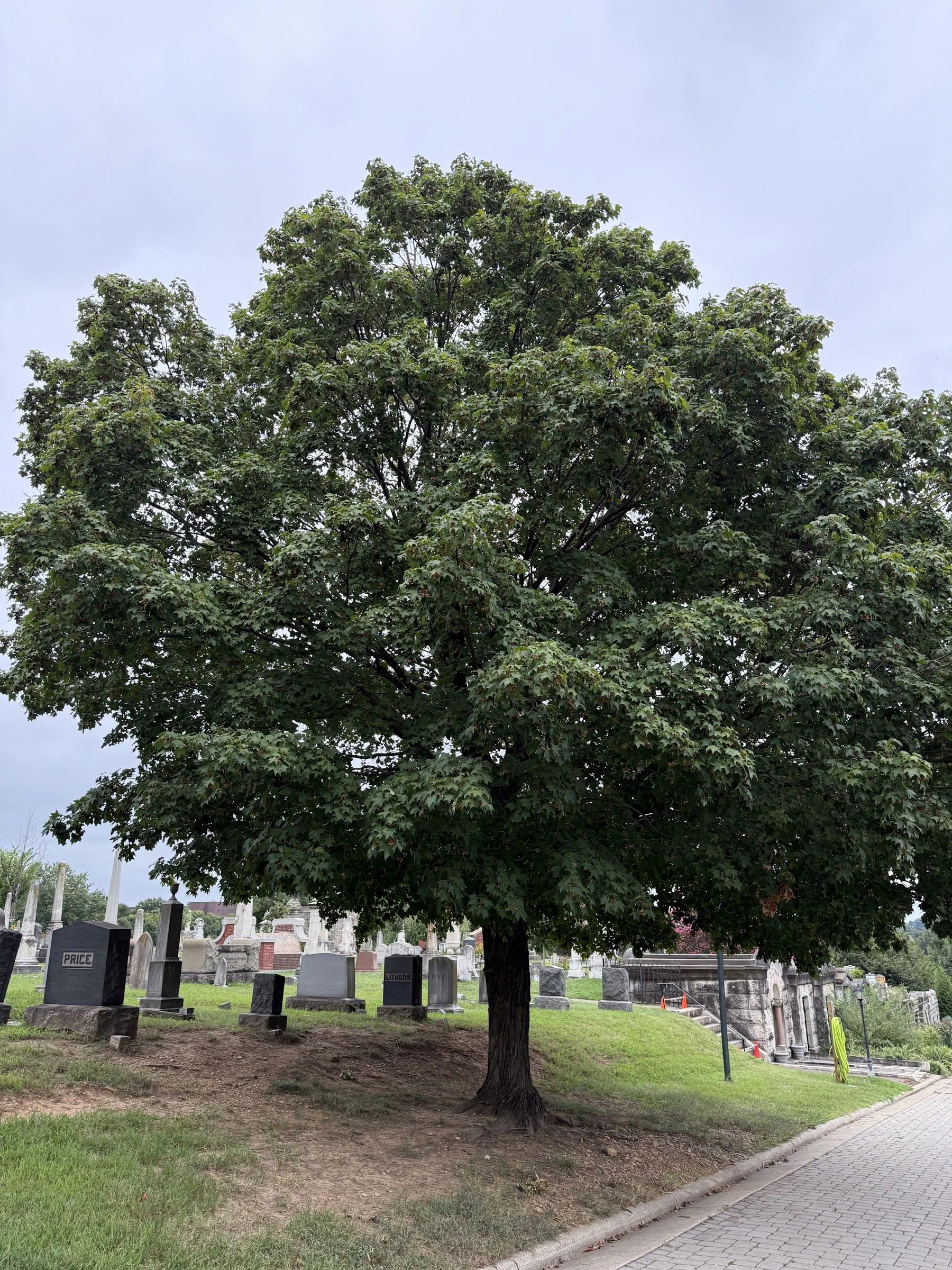
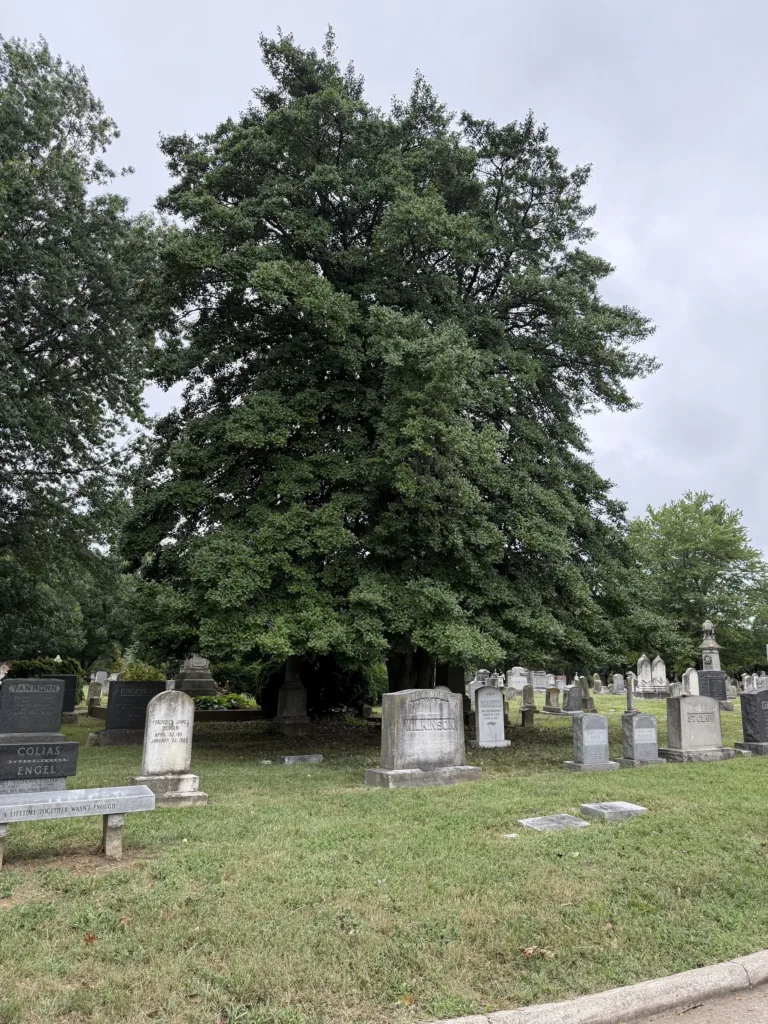
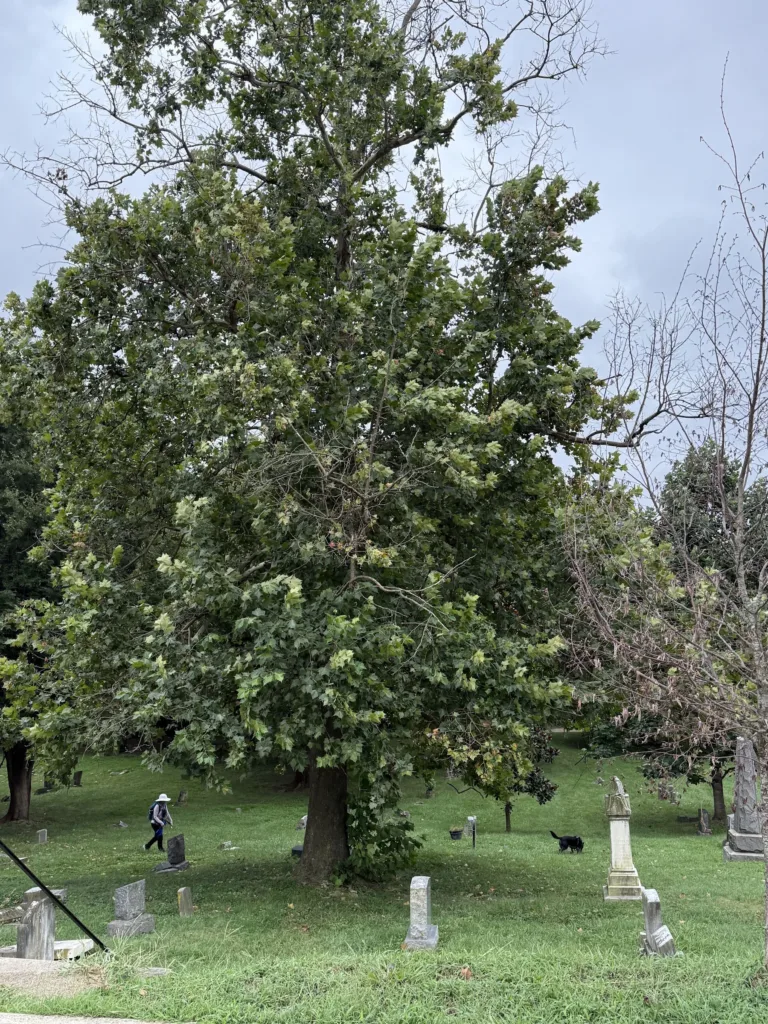
The red maple is a widespread, common tree native to the eastern and central parts of North America that is able to grow effectively in a variety of conditions and climates. Although sparse in old-growth forests, the red maple is near weed-like in its abundance when in newer or frequently logged stands of trees. Red maples have a variety of leaf shapes and branch configurations, but are all red in coloration: from the flowers, to the wood, to the seeds, and most strikingly, to the brilliant autumn foliage.
Although red maples are considered a soft maple comparable to other maples, its wood is dense and hard. It has fragile, thin bark that is susceptible to damage and subsequent rot. Despite this, there are many uses for the wood, sap, and bark of the red maple. The wood is still favorable for woodworking, and certain grain patterns are prized for instruments. Along with the sugar and silver maple, the red maple is capable of producing high-quality maple syrup, although to avoid bitterness, it must be harvested before the appearance of spring buds. Red maple bark has been used traditionally in dyes and medicines, having anti-inflammatory properties and enough tannin to produce both brown and black dyes.
ALSO KNOWN AS: Swamp Maple, Water Maple, Soft Maple
FAMILY: Sapindaceae
NATIVE STATUS: Native
NATIVE RANGE: Southeastern United States
FOLIAGE: Evergreen
MAX. HEIGHT: 135 ft.
MAX. AGE: 150 yrs.
Stop #15 on the Congressional Tree Walk