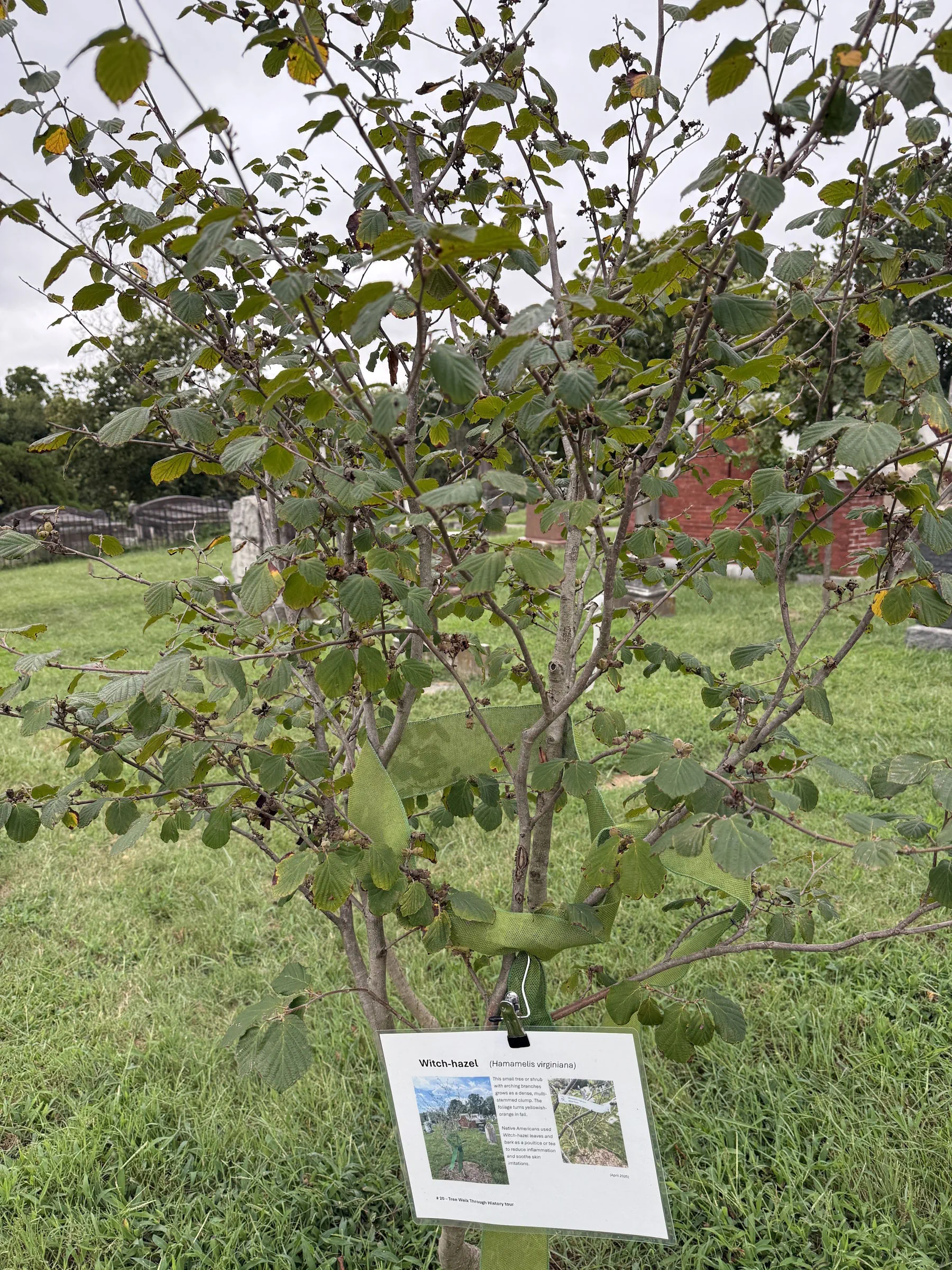
A small, deciduous tree native to eastern North America, the American witch-hazel is a plant used extensively in homeopathic and traditional Native American medicine as an astringent. Its leaves are oval-shaped and toothed, looking similar to hazelnut leaves, and it has branches that are thin and flexible. American witch-hazel flowers are very distinctive, not only blooming in the autumn in earthy shades of orange and yellow, but having 4 to 5 spidery, thin petals that come off a central cup of shorter petals. These shorter petals that make up the calyx persist through the winter and then fruit in the spring. The American witch-hazel is a plant that attracts many pollinators, including moths.
While the witch-hazel twigs are favored for use as dowsing and divining rods in various witchcraft practices, the witch-hazel is actually named after the Old English word wych, meaning bendable, referring to the flexibility of the branches.
ALSO KNOWN AS: Witch-hazel, Common Witch-hazel, American witch-hazel, Beadwood
FAMILY: Hamamelidaceae
NATIVE STATUS: Native
NATIVE RANGE: Eastern United States
FOLIAGE: Deciduous
MAX. HEIGHT: 33 ft.
MAX. AGE: 40 yrs.
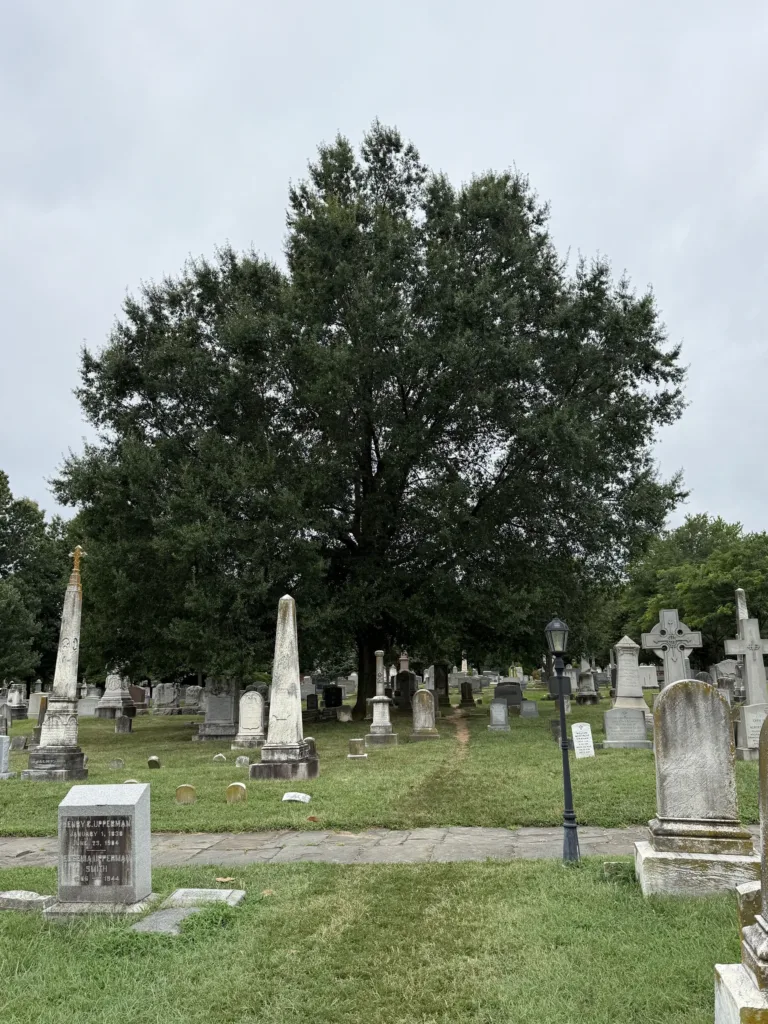
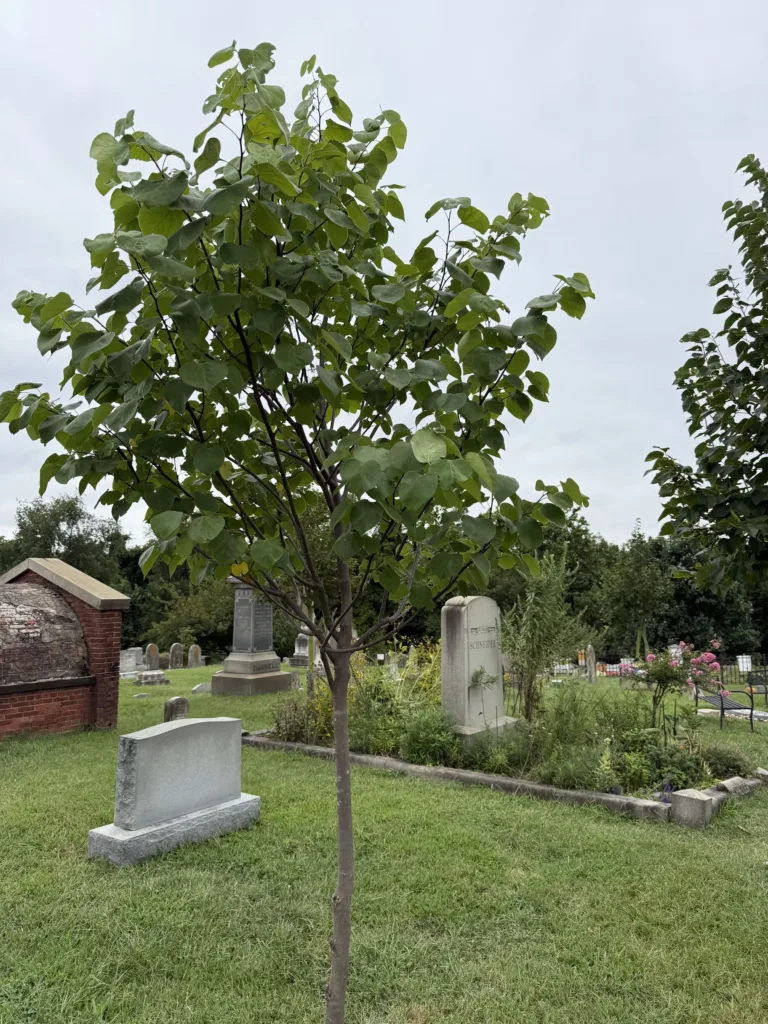
Stop #20 on the Congressional Tree Walk