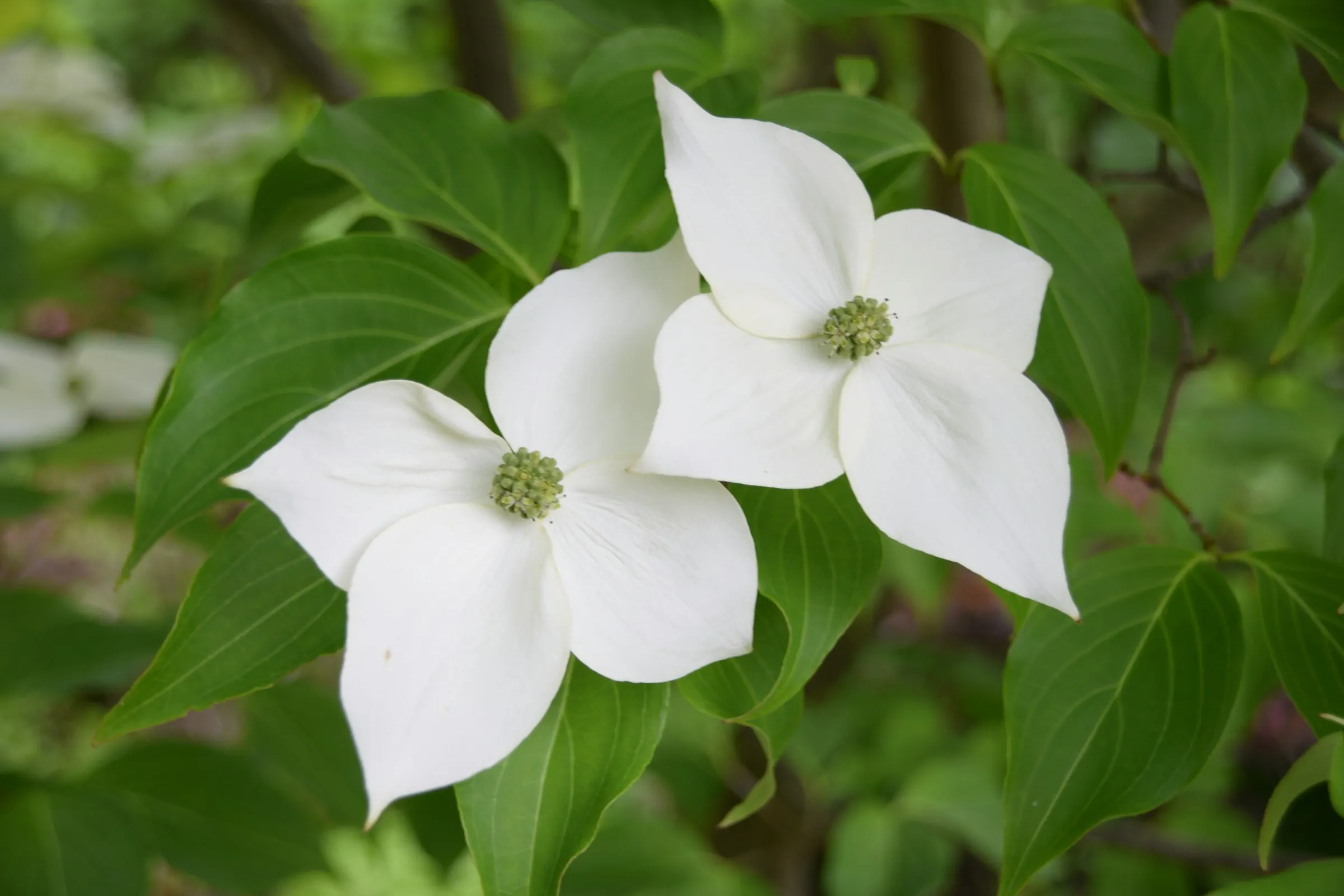
A flowering tree native to China, Korea, and Japan, the kousa dogwood was naturalized in New York and is not considered invasive. It is characterized by teardrop-shaped leaves and a beautiful showing of blooms in spring, which are actually small yellow-green flowers surrounded by bright pink or white modified leaves called bracts.
In late summer, the kousa dogwood tree produces pink fruits that are edible and mildly sweet and are said to be somewhat tropical in flavor. They can be used to make jellies, jams, wines, and other sweet treats. The kousa dogwood fruits have also been used in traditional Korean and Chinese medicine to treat inflammation, liver issues, bowel issues, and as an agent to slow or stop bleeding. Recent laboratory studies have shown that they contain cytotoxic triterpenoids—compounds that have shown promise in treating cancers, although there are not yet any studies on the effectiveness of kousa dogwood fruits in treating any illness. They are, however, known to contain fructose sugars with a low glycemic index, as well as significant amounts of calcium and vitamin C.
On top of their forageable fruits, the kousa dogwood, like other dogwoods, is well known for its wood, as it is dense and durable. It is perfect for inlays, handles, small instruments, and other small, hard-wearing items. It’s very difficult to work with, but has superior strength and the ability to be polished to a shine.
FAMILY: Cornaceae
NATIVE STATUS: Non-Native
NATIVE RANGE: Eastern Asia
FOLIAGE: Deciduous
MAX. HEIGHT: 39 ft.
MAX. AGE: 150 yrs.
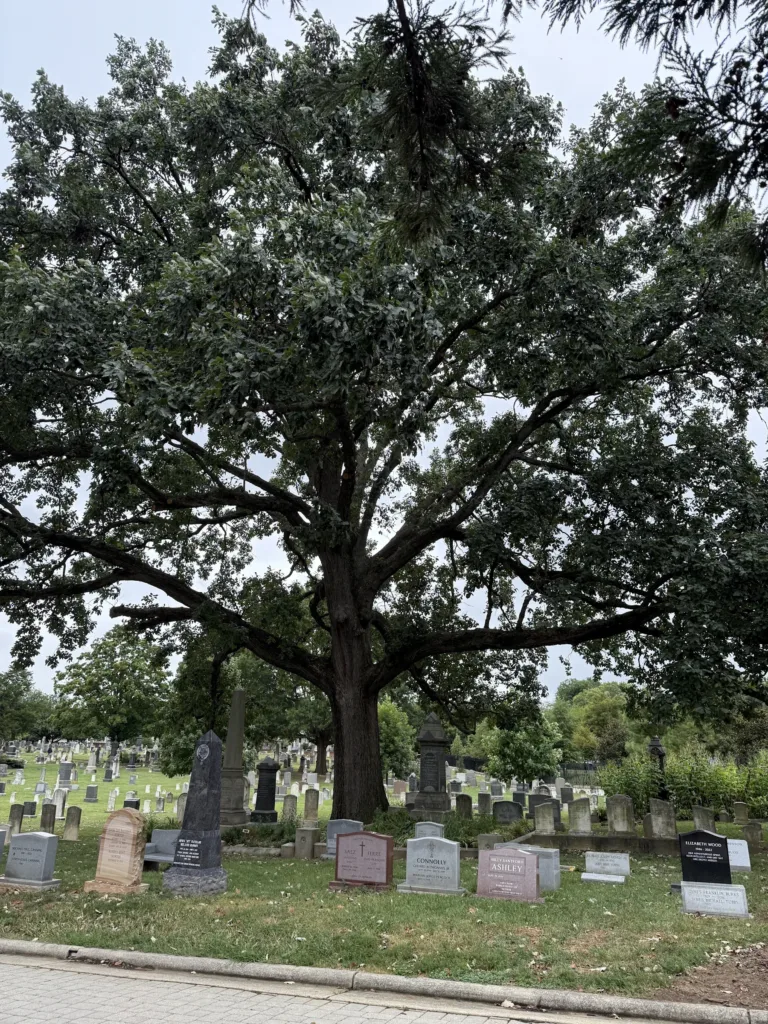
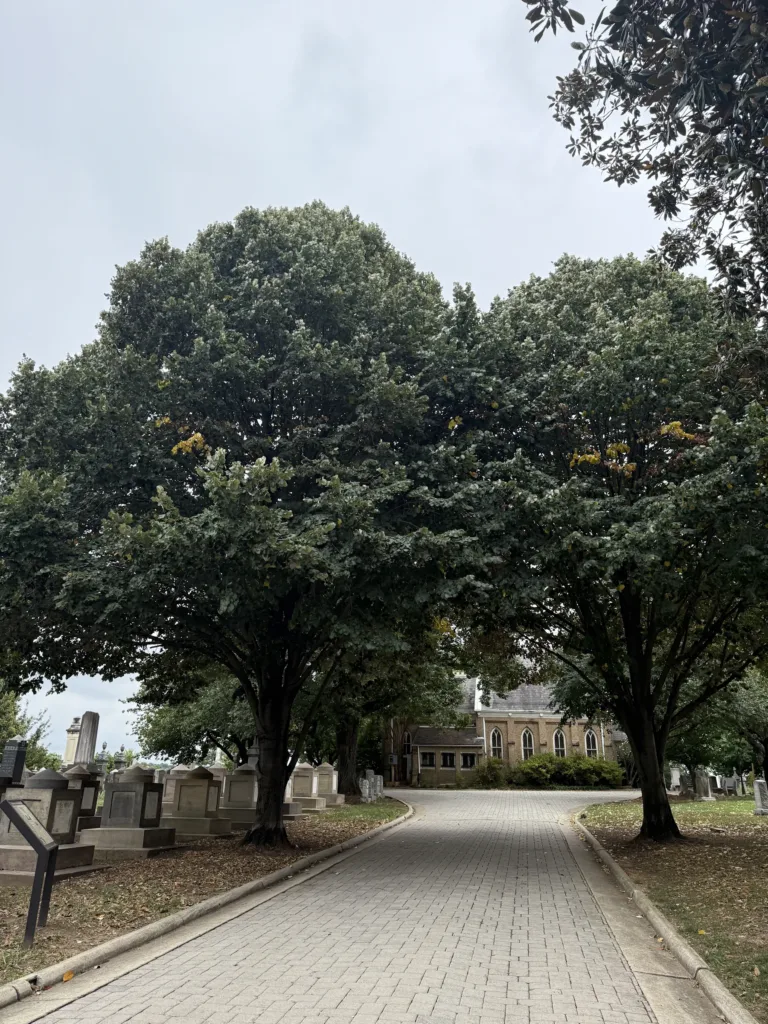
Stop #2 on the Congressional Tree Walk